Korean PDRN Treatments vs. Western Skin Rejuvenation: Which Delivers Better Long-Term Results?
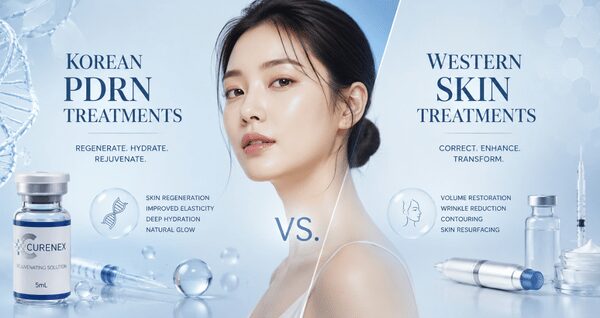
The world of aesthetic medicine has evolved dramatically over the last decade. While Western cosmetic treatments have traditionally focused on correcting visible signs of aging through fillers, lasers, and chemical peels, South Korea has introduced a different philosophy—one centered on skin regeneration rather than simple correction.
One of the biggest innovations to emerge from Korea is PDRN (Polydeoxyribonucleotide) therapy. Popularized through Korean skin clinics, PDRN-based treatments have become synonymous with healthy, radiant, and naturally youthful skin. Instead of merely masking wrinkles or adding volume, PDRN treatments aim to support the skin’s own repair mechanisms, making them increasingly popular among patients seeking subtle, long-lasting improvements.
Among the leading products in this category is the Curenex line, which combines PDRN technology with advanced ingredients designed to promote skin hydration, elasticity, and overall rejuvenation.
But how do Korean PDRN treatments compare with the Western approaches that many patients are already familiar with? Is one truly better than the other, or do they simply serve different purposes?
This guide explores the differences between Korean PDRN therapies and common Western skin treatments to help you better understand which approach may align with your skincare goals.
Understanding the Korean Philosophy of Skin Rejuvenation

One noticeable difference between Korean and Western aesthetic medicine lies in the overall treatment philosophy. Many traditional Western procedures emphasize correcting visible imperfections. The goal is often to smooth wrinkles, restore facial volume, or remove damaged skin using highly targeted procedures.
Korean aesthetic medicine, however, places greater emphasis on improving the overall quality of the skin. Instead of treating only individual concerns, practitioners often aim to enhance hydration, collagen support, elasticity, and skin resilience simultaneously.
Rather than asking, “How can we erase this wrinkle?” Korean practitioners often ask, “How can we make the skin healthier so wrinkles naturally become less noticeable?” This regenerative philosophy has contributed significantly to the global popularity of Korean skin boosters and PDRN therapies.
What Are Korean PDRN Treatments?
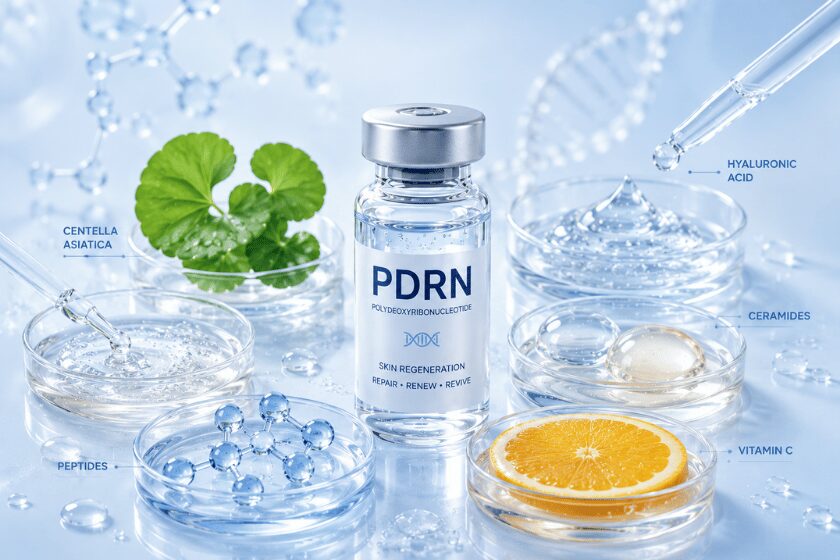
PDRN stands for Polydeoxyribonucleotide, DNA fragments that are commonly sourced from purified salmon DNA through highly controlled manufacturing processes. PDRN has been investigated for its potential role in supporting tissue repair and skin regeneration. Within aesthetic medicine, it is frequently incorporated into injectable skin boosters and mesotherapy products designed to improve overall skin quality. Rather than filling lines or relaxing muscles, PDRN treatments focus on creating an environment that supports healthier skin over time.
Potential benefits often include the following:
- Improved skin hydration
- Enhanced skin texture
- Better elasticity
- Softer appearance of fine lines
- Increased skin radiance
- Support for collagen production
- Recovery after aesthetic procedures
Because these improvements develop gradually, many patients appreciate the natural-looking results.
Introducing Curenex: A Modern Korean PDRN Solution
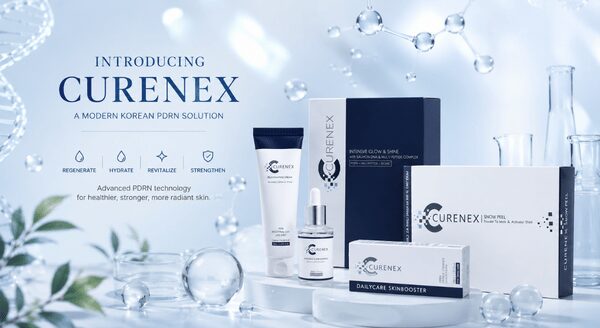
Curenex has become one of the better-known Korean PDRN treatment systems used in aesthetic clinics worldwide. The Curenex product range includes injectable skin boosters, topical skincare products, and complementary formulations designed to support comprehensive skin rejuvenation.
Depending on the treatment plan, Curenex products may be incorporated into the following:
- Mesotherapy
- Microneedling-assisted delivery
- Skin booster treatments
- Post-laser recovery protocols
- Combination aesthetic procedures
Rather than dramatically changing facial features, Curenex is designed to improve overall skin health and quality, making it attractive to patients seeking subtle, refreshed-looking skin.
Common Western Skin Treatments
Western aesthetic medicine includes a wide variety of procedures, each targeting specific concerns. Some of the most widely used treatments include:
Dermal Fillers
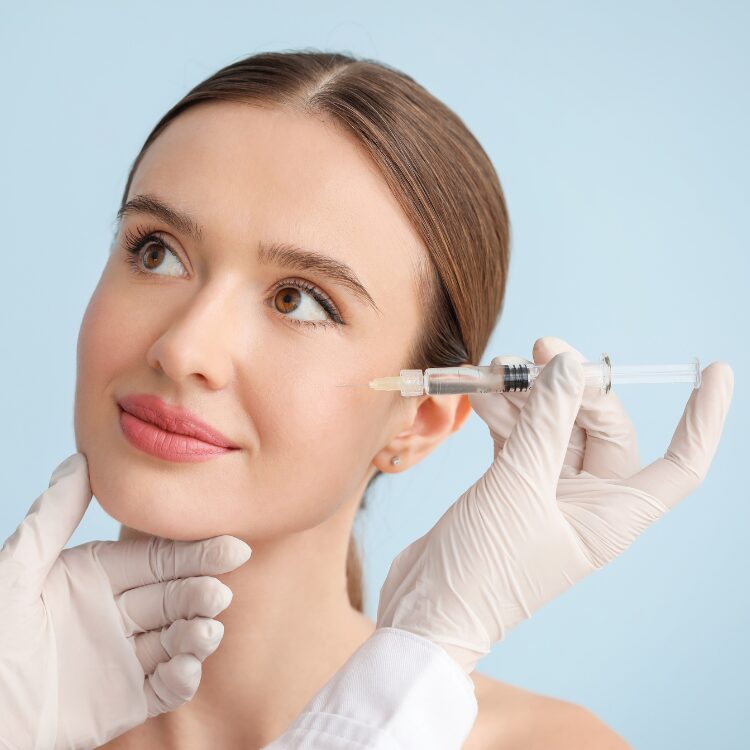
Hyaluronic acid fillers restore lost facial volume and improve facial contours. They are commonly used for:
- Nasolabial folds
- Lips
- Cheeks
- Chin
- Jawline
- Tear troughs
Results are typically visible immediately.
Botulinum Toxin Injections
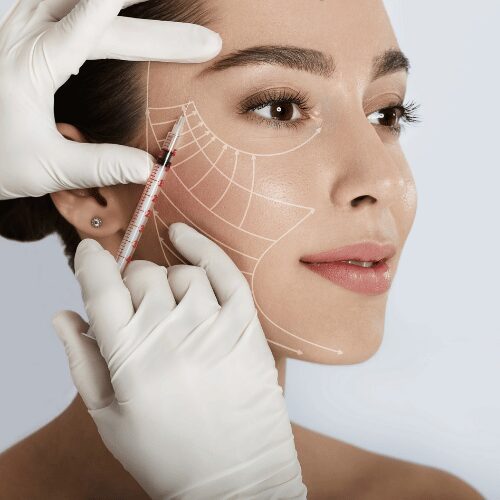
Neuromodulators temporarily relax facial muscles responsible for dynamic wrinkles. Common treatment areas include:
- Forehead lines
- Crow’s feet
- Frown lines
- Bunny lines
These treatments primarily reduce muscle activity rather than improving skin quality.
Laser Skin Resurfacing
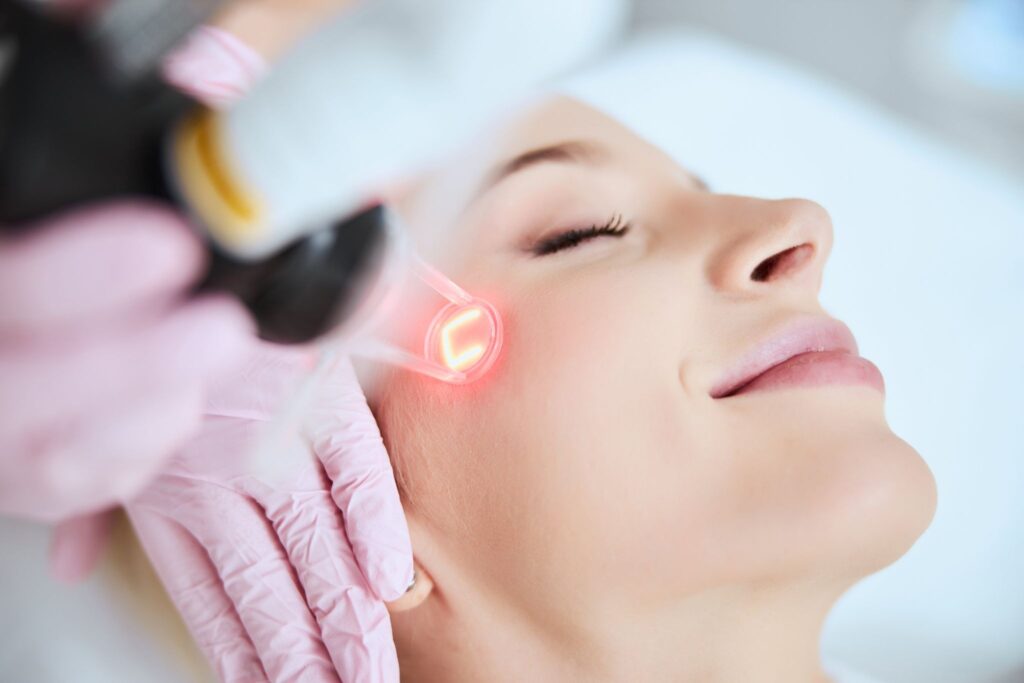
Laser procedures remove damaged skin layers while stimulating collagen remodeling. They are often recommended for:
- Sun damage
- Pigmentation
- Acne scars
- Fine wrinkles
- Texture irregularities
Recovery times vary depending on the intensity of treatment.
Chemical Peels
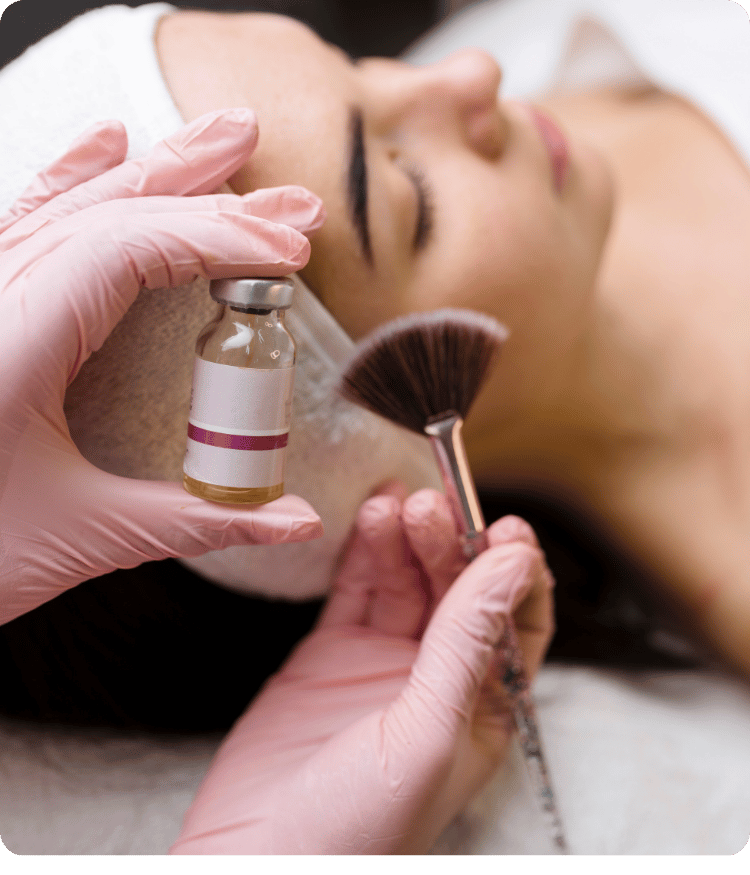
Chemical exfoliation removes damaged surface skin to encourage new cell turnover. Peels range from superficial to deep and may improve
- Pigmentation
- Rough texture
- Fine lines
- Acne
PRP (Platelet-Rich Plasma)

PRP utilizes components from the patient’s own blood that are concentrated and reinjected into the skin. It has become increasingly popular for facial rejuvenation, hair restoration, and combination treatments.
Korean PDRN vs Western Treatments: Key Differences
| Feature | Korean PDRN Treatments | Western Skin Treatments |
| Primary Goal | Skin regeneration | Correction of visible concerns |
| Treatment Philosophy | Improve skin quality | Treat individual issues |
| Results | Gradual, natural | Often immediate |
| Focus | Long-term skin health | Targeted correction |
| Downtime | Usually minimal | Varies by procedure |
| Collagen Support | Major emphasis | Depends on treatment |
| Hydration | Significant improvement | Variable |
| Facial Volume | Minimal change | Fillers restore volume |
Neither approach is inherently superior. Instead, they often complement each other depending on the patient’s needs.
Comparing Specific Treatments
Curenex vs Dermal Fillers
Although both involve injections, they serve very different purposes.
| Curenex | Dermal Fillers |
| Focuses on:Skin qualityHydrationElasticityCollagen supportSkin regeneration | Focuses on:Restoring facial volumeContouringSculptingImmediate wrinkle correction |
Many practitioners combine both treatments to achieve comprehensive facial rejuvenation.
Curenex vs Botox
Botulinum toxin reduces wrinkle formation by relaxing facial muscles. Curenex, on the other hand, works independently of muscle movement. Instead, it aims to improve the skin itself. Patients commonly combine these therapies because they address different aspects of facial aging. Botulinum toxin may reduce dynamic wrinkles, while Curenex can improve skin hydration and texture.
Curenex vs Laser Treatments
Lasers intentionally create controlled skin injury to stimulate healing. PDRN treatments instead seek to support regenerative processes without removing skin layers. Many practitioners use Curenex following laser treatments as part of a broader skin recovery strategy.
Potential advantages include the following:
- Less downtime
- Reduced redness
- Enhanced hydration
- Improved overall skin comfort during recovery
Curenex vs PRP
Both therapies emphasize regeneration. However, there are notable differences.
| Curenex | PRP (Platelet-Rich Plasma) |
| Features:Purified PDRNReady-to-use formulationConsistent manufacturing process | Features:Uses patient’s own bloodMay be extracted from platelet-derived growth factorsBlood collection process |
Some patients prefer avoiding blood collection, while others appreciate PRP’s autologous nature.
Why Korean PDRN Treatments Have Become So Popular
Several factors have contributed to the worldwide popularity of Korean regenerative aesthetics.
Natural-Looking Results
Today’s patients increasingly prefer subtle improvements rather than dramatic transformations. PDRN treatments support this trend by gradually improving skin quality. Friends may simply notice that someone looks healthier or more refreshed rather than “treated.”
Healthy Skin Over Time
Rather than focusing only on visible wrinkles, regenerative treatments emphasize maintaining healthier skin as aging progresses. This preventative mindset has become central to many Korean skincare philosophies.
Minimal Downtime
Many PDRN procedures require relatively little recovery compared with more aggressive resurfacing procedures. Patients often return to normal activities shortly after treatment, though temporary redness or small injection marks may occur.
Combination Treatment Compatibility
One of the greatest strengths of Korean PDRN therapies is their compatibility with numerous aesthetic procedures. They may be incorporated alongside the following:
- Microneedling
- Lasers
- Chemical peels
- Botulinum toxin
- Dermal fillers
- Radiofrequency treatments
This flexibility makes them valuable components of comprehensive treatment plans.
Which Patients May Prefer Korean PDRN Treatments?
Patients seeking overall skin improvement rather than dramatic cosmetic changes often gravitate toward regenerative therapies. You may be an excellent candidate if you wish to address the following:
- Dull skin
- Dehydration
- Early signs of aging
- Fine lines
- Mild acne scarring
- Uneven skin texture
- Reduced elasticity
- Recovery following cosmetic procedures
Because PDRN treatments focus on improving skin quality, they may also appeal to younger patients interested in preventative skincare.
When Western Treatments May Be More Appropriate
There are situations where traditional Western procedures may provide faster or more predictable outcomes. Examples include:
- Significant Volume Loss—Dermal fillers generally remain the preferred option.
- Deep Dynamic Wrinkles—Botulinum toxin often provides more effective improvement.
- Severe Sun Damage—Laser resurfacing may deliver more noticeable correction.
- Advanced Facial Sagging—Energy-based devices or surgical interventions may be recommended.
This highlights an important point that regenerative treatments are not necessarily replacements for Western procedures—they are often complementary.
The Growing Trend Toward Combination Therapy
Modern aesthetic medicine increasingly blends Eastern and Western techniques rather than viewing them as competing philosophies. A personalized treatment plan may include:
- Botulinum toxin for expression lines
- Fillers for volume restoration
- Curenex for skin quality
- Laser treatments for pigmentation
- Medical-grade skincare for maintenance
This multi-layered approach addresses aging from several angles while maintaining natural-looking results.
What Results Can Patients Expect?
One of the most common questions surrounding PDRN therapy concerns the timeline for visible improvements. Although every patient responds differently, many practitioners observe the following progression:
Immediately After Treatment
- Mild redness
- Small injection marks
- Temporary swelling
First Few Weeks
- Improved hydration
- Increased radiance
- Softer skin texture
Several Weeks to Months
- Progressive improvement in elasticity
- More refined skin appearance
- Better overall skin quality
Maintenance sessions may be recommended depending on the individual’s goals and the practitioner’s treatment plan.
Are Korean PDRN Treatments Replacing Western Procedures?
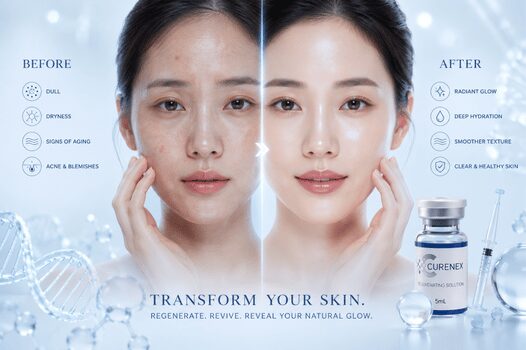
Probably not. Instead, they are expanding the options available for personalized aesthetic care. Patients today often seek treatments that prioritize natural beauty, prevention, and long-term skin health alongside traditional corrective procedures. As a result, regenerative therapies like Curenex have become valuable additions to modern aesthetic practices worldwide.
Rather than asking patients to choose one philosophy over another, experienced practitioners increasingly combine the strengths of both Korean innovation and established Western techniques.
Which is the Right Treatment For You: Korean Skincare vs. Western Treatments

The comparison between Korean PDRN treatments and Western skin rejuvenation isn’t about determining a single winner—it is about understanding the unique strengths of each approach.
Western aesthetic medicine excels at correcting specific concerns such as volume loss, deep wrinkles, and advanced photoaging through fillers, neuromodulators, and resurfacing procedures. Korean regenerative medicine, on the other hand, emphasizes improving the skin’s underlying health by supporting hydration, elasticity, and collagen production over time.
Curenex reflects this modern Korean philosophy by focusing on overall skin quality rather than dramatic cosmetic alteration. For patients seeking gradual, natural-looking rejuvenation with minimal downtime, PDRN-based treatments have become an increasingly attractive option.
Ultimately, the most effective aesthetic treatment plans are often those that combine regenerative skin therapies with targeted corrective procedures when appropriate. By blending the strengths of Korean innovation and Western aesthetic medicine, patients can enjoy healthier, more resilient skin while addressing their individual concerns in a balanced and personalized way.