
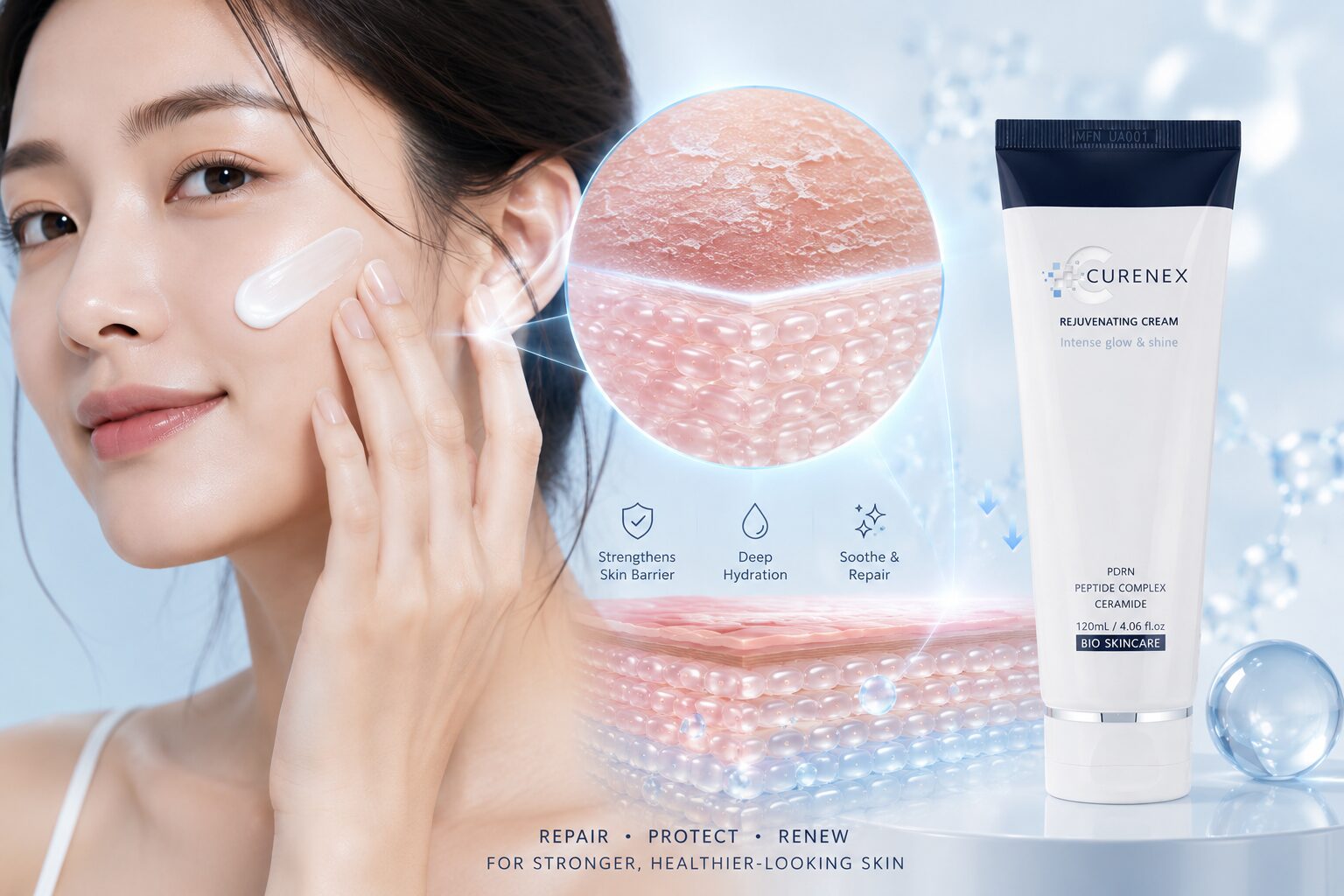
How to Repair a Damaged Skin Barrier Fast: The Complete Guide to Healthy, Hydrated Skin with Curenex Moisturizing Cream
If your skin suddenly feels tight, stings when you apply skincare, looks red for no obvious reason, or seems drier than ever despite using moisturizer, there’s a good chance your skin barrier is compromised.
In recent years, “skin barrier repair” has become one of the most searched skincare topics—and for good reason. A healthy skin barrier is responsible for maintaining hydration, preventing irritation, and protecting the skin from environmental stressors. When that protective barrier becomes damaged, even the most expensive skincare products may stop working as intended.
Fortunately, the skin barrier has an impressive ability to recover when given the right care.
In this guide, we’ll explain everything you need to know about repairing a damaged skin barrier, including what causes barrier damage, the best ingredients to look for, and how Curenex Moisturizing Cream can become an essential part of your recovery routine.
What Is the Skin Barrier?
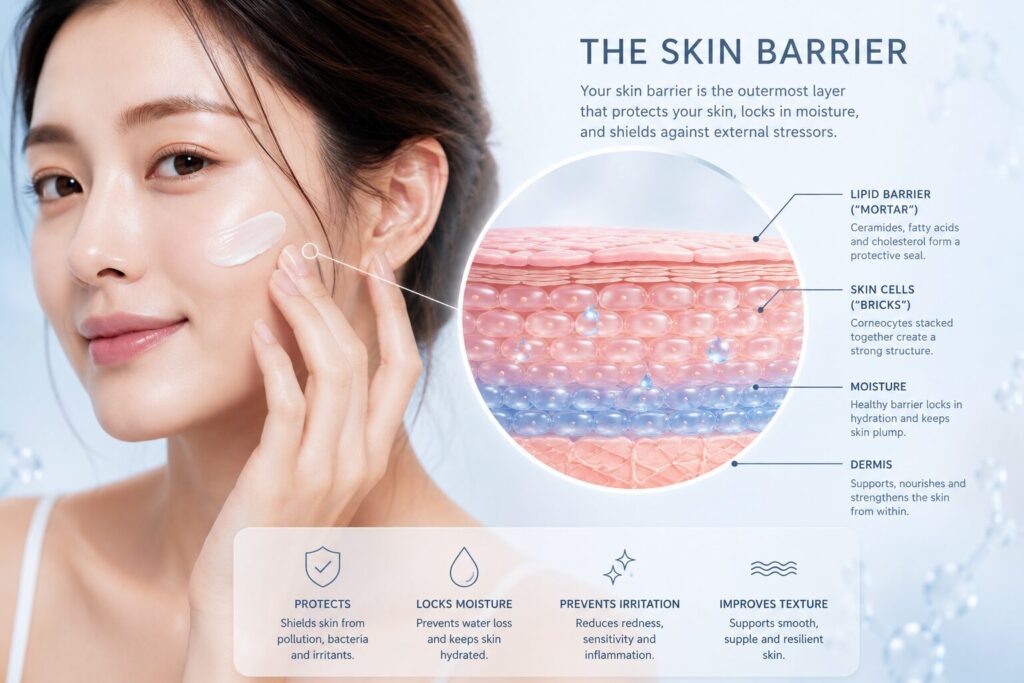
The skin barrier refers to the outermost portion of your skin, known as the stratum corneum. Dermatologists often describe it as a brick wall where skin cells are the bricks and natural lipids (ceramides, cholesterol, and fatty acids) act as the mortar holding everything together.
This layer performs several essential functions:
- Locks moisture inside the skin
- Prevents excessive water loss
- Keeps bacteria and pollutants out
- Protects against allergens
- Reduces irritation
- Maintains smooth texture
- Supports healthy skin renewal
When the “mortar” becomes disrupted, tiny gaps form within the barrier, allowing water to escape while making the skin more vulnerable to irritation and environmental damage.
Signs Your Skin Barrier Is Damaged
Many people mistake barrier damage for dry skin or sensitive skin, but the symptoms are usually more widespread. If your usual skincare routine suddenly begins causing discomfort, your skin barrier may be asking for a reset.
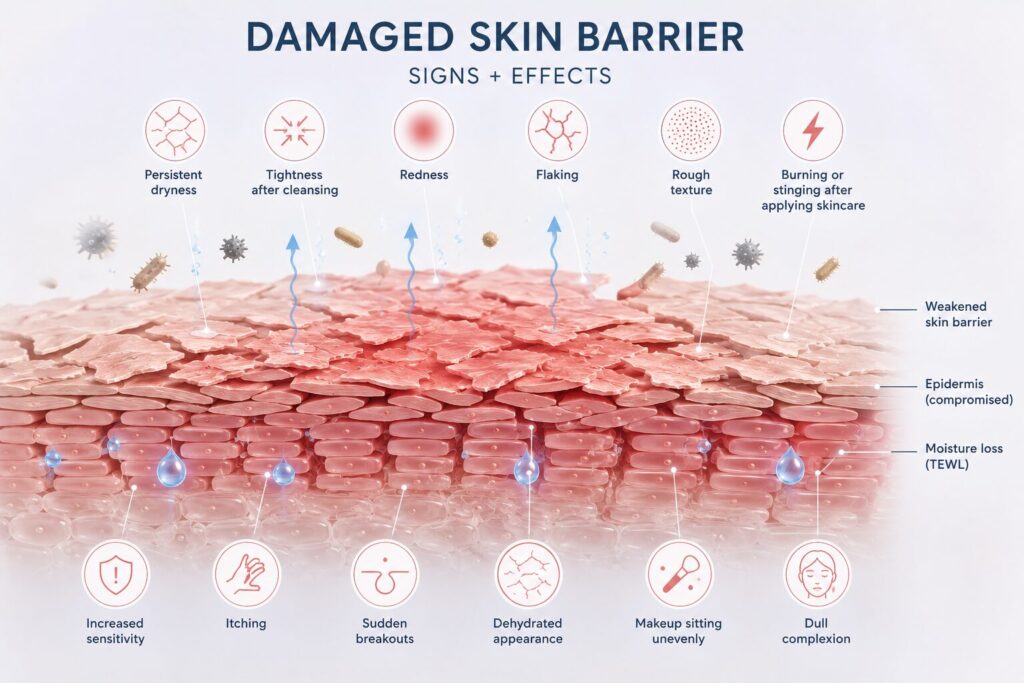
Common signs of a damaged skin barrier include the following:
- Persistent dryness
- Tightness after cleansing
- Redness
- Flaking
- Rough texture
- Burning or stinging after applying skincare
- Increased sensitivity
- Itching
- Sudden breakouts
- Dehydrated appearance
- Makeup sitting unevenly
- Dull complexion
What Causes Skin Barrier Damage?
There isn’t one single cause; it is the culmination of several factors that can significantly damage the skin barrier. Most people develop barrier damage gradually through a combination of environmental factors and skincare habits.
- Over-Exfoliation
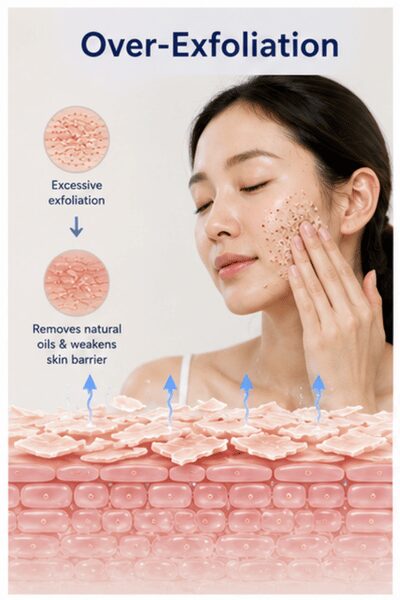
One of the biggest mistakes is using the exfoliants, such as AHAs, BHAs, scrubs, peeling pads, and exfoliating brushes, too frequently. Exfoliation is only beneficial when done in moderation, but excessive exfoliation strips away the protective lipids or oil your skin needs. This results in the skin barrier overcompensating via sebum production. An unbalanced skin health is often the major cause of premature aging, as it can produce other skin issues like acne and comedone (e.g., blackheads and whiteheads) formation.
- Using Too Many Active Ingredients
Combining too many actives in one skincare routine may do more harm than good to your skin. Hence, modern skincare often encourages layering products that contain the following ingredients:
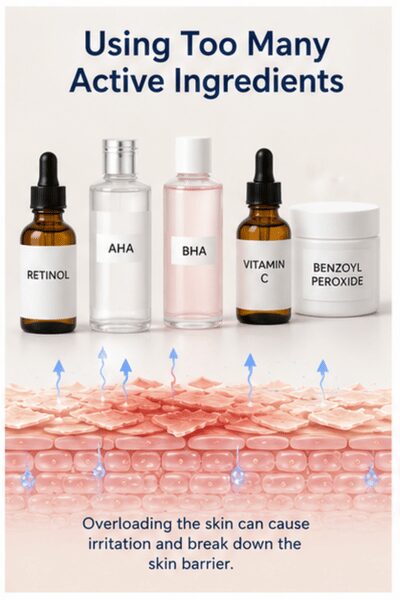
- Retinol
- Vitamin C
- Glycolic acid
- Salicylic acid
- Benzoyl peroxide
- Prescription acne treatments
While effective individually, combining too many strong ingredients can overwhelm the skin barrier.
- Harsh Cleansers
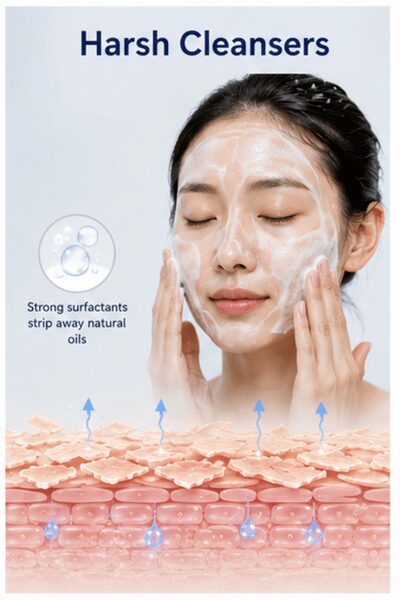
Foaming cleansers with strong surfactants can remove more than dirt—they can strip away your skin’s natural oils. This results in a weakened barrier and increased water loss.
- Sun Exposure
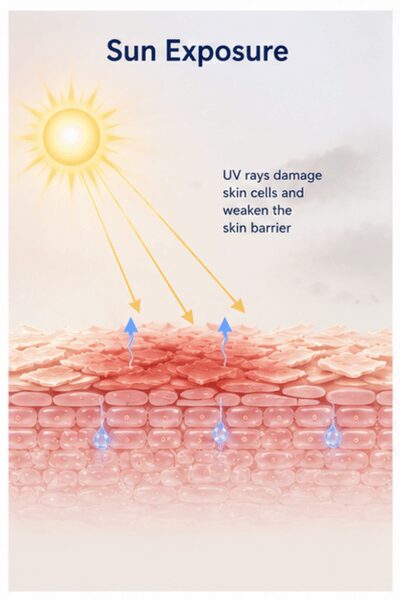
Ultraviolet (UV) radiation damages skin cells, breaks down collagen, and weakens the barrier over time. This is why daily sunscreen is one of the most effective barrier-protective habits.
- Environmental Stress
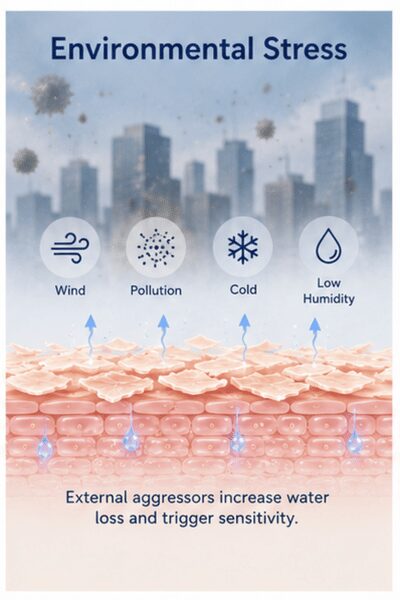
All of the following reduce skin hydration and increase transepidermal water loss (TEWL).
- Cold weather
- Low humidity
- Wind
- Air pollution
- Indoor heating
- Air conditioning
- Excessive Cleansing
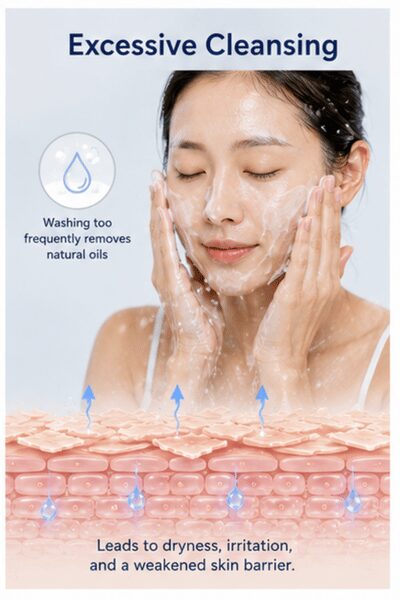
Washing your face multiple times per day may leave the skin feeling clean—but also vulnerable. Twice daily is generally sufficient for most skin types.
Why Skin Barrier Repair Matters
When your barrier functions properly, your skin can:
- Retain moisture longer
- Heal faster
- Produce a smoother texture
- Better tolerate active ingredients
- Look brighter
- Feel softer
- Age more gracefully
Conversely, chronic barrier damage contributes to the following:
- Premature aging
- Fine lines
- Persistent redness
- Ongoing dehydration
- Acne flare-ups
- Increased sensitivity
How to Repair a Damaged Skin Barrier with Curenex Moisturizing Cream and How Long Does The Result Take?
Fortunately, repairing the barrier doesn’t require an elaborate 15-step skincare routine. In fact, simpler is usually better.
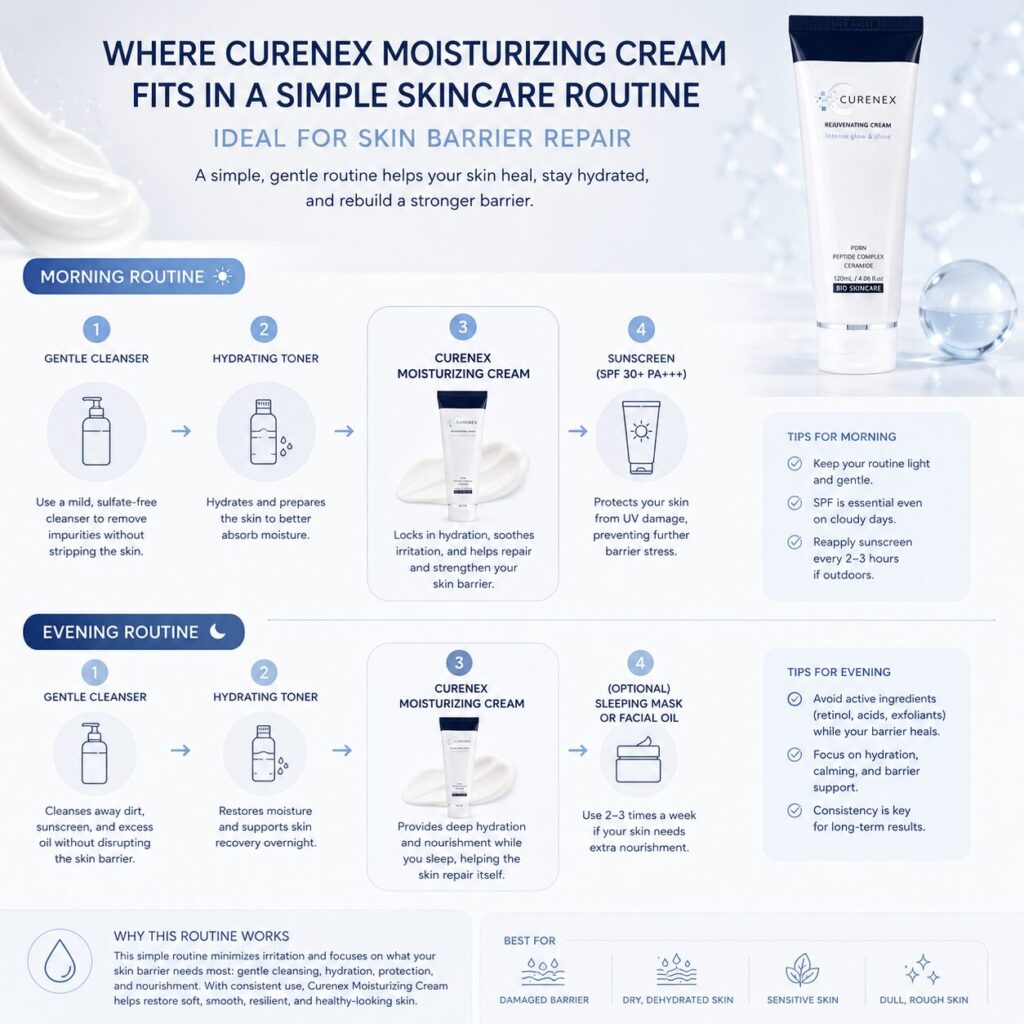
Step 1: Simplify Your Routine
Temporarily pause products containing retinol, glycolic acid, salicylic acid, strong exfoliants, and high-strength Vitamin C. Instead, focus on just three essentials:
- Gentle cleanser
- Moisturizer
- Sunscreen (daytime)
Dermatologists commonly recommend minimizing potential irritants while the barrier heals.
Step 2: Choose a Gentle Cleanser
Look for the following features in each product you shop or purchase:
- Fragrance-free formulas
- Sulfate-free cleansers
- pH-balanced products
- Cream cleansers
Avoid cleansers that leave your skin feeling squeaky clean. Healthy skin should feel comfortable—not stripped.
Step 3: Hydrate Immediately After Cleansing
One of the simplest ways to support recovery is applying moisturizer while the skin is still slightly damp. This helps trap water inside the skin.
Step 4: Use a Barrier-Supporting Moisturizer
Moisturizer becomes the centerpiece of barrier repair. A quality moisturizer works by:
- Reducing water loss
- Replenishing hydration
- Softening rough skin
- Supporting recovery
- Improving comfort
This is where Curenex Moisturizing Cream becomes especially valuable.
Why Curenex Moisturizing Cream Is Ideal for Barrier Repair and How It Fits into a Skincare Routine
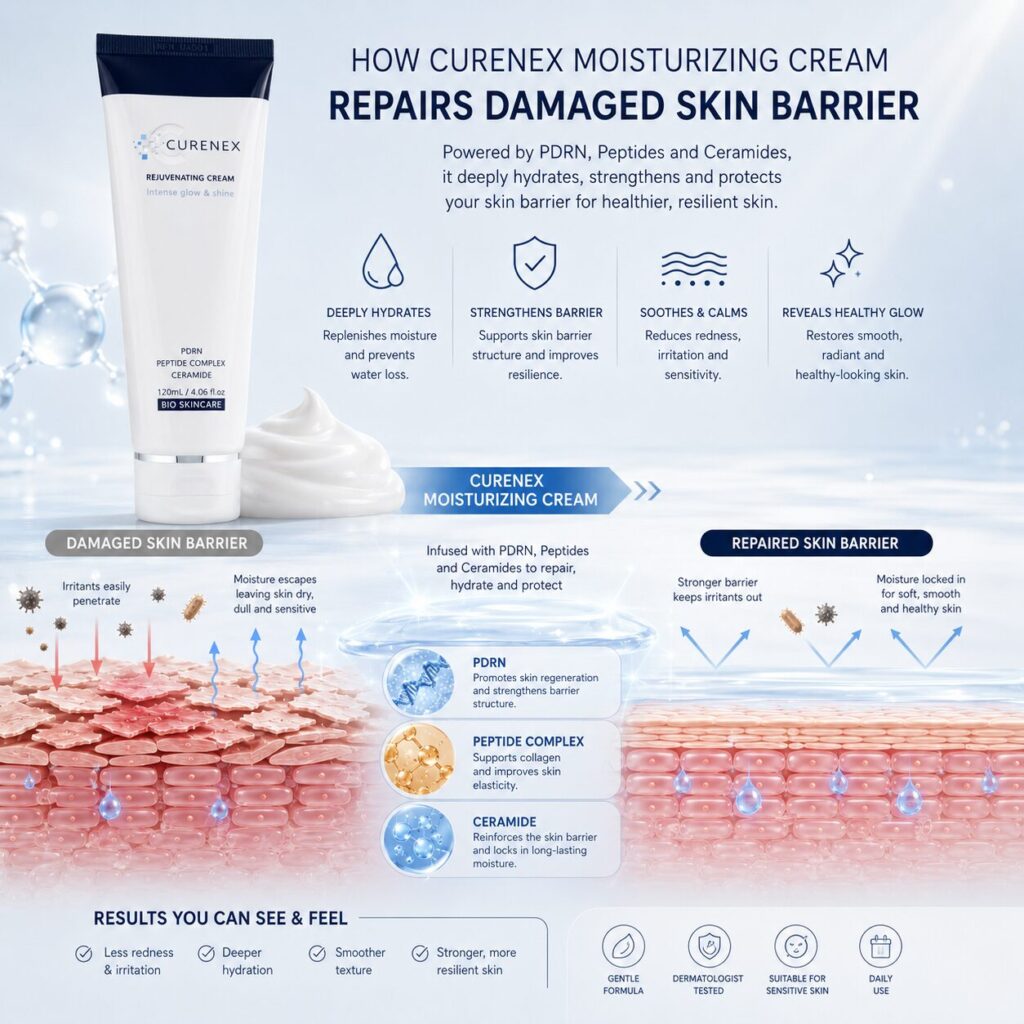
Barrier repair isn’t simply about making the skin feel softer for a few hours. The goal is supporting long-term hydration while creating an environment where the skin can naturally recover. Curenex Moisturizing Cream is designed with this philosophy in mind. Its rich yet comfortable texture helps the following:
- Deliver lasting hydration
- Improve skin softness
- Support moisture retention
- Reduce feelings of tightness
- Comfortably dry, stressed skin
- Complement skin rejuvenation routines
Unlike heavy ointments that may feel greasy, Curenex Moisturizing Cream provides nourishing hydration suitable for daily use, making it an excellent addition to both morning and evening skincare routines. It is also important that consistency matters more than complexity.
A simple skincare regimen involving Curenex Moisturizing Cream may look like this:
Morning
- Gentle cleanser
- Curenex Moisturizing Cream
- Broad-spectrum sunscreen
Evening
- Gentle cleanser
- Curenex Moisturizing Cream
- Optional overnight barrier cream if recommended by your skincare professional
Ingredients That Help Repair the Skin Barrier
When selecting skincare, prioritize ingredients that support hydration and reinforce the skin’s natural defenses.
- Hyaluronic Acid—Draws water into the skin, improves hydration, and reduces dehydration.
- Ceramides—Help replace essential lipids naturally found within the skin barrier; support moisture retention.
- Glycerin—One of skincare’s most effective humectants; Helps maintain hydration throughout the day.
- Panthenol (Vitamin B5)—Known for soothing dry, stressed skin; supports comfort during recovery.
- Squalane—Provides lightweight nourishment; helps soften rough skin.
- Centella Asiatica—Popular in Korean skincare for calming visible redness and supporting skin recovery.
- Niacinamide—Helps strengthen the barrier while improving overall skin resilience.
Lifestyle Habits and What To Avoid To Support Skin Barrier Recovery

Skincare is only one part of the equation, as daily lifestyle habits also influence recovery. Below are highly recommended
- Drink Enough Water—Hydrated skin starts from within.
- Adequate Sleep—During sleep, skin performs much of its natural repair process.
- Avoid Very Hot Showers—Hot water removes protective oils; choose lukewarm water instead.
- Wear Sunscreen Daily—UV exposure continually challenges the skin barrier. Daily SPF helps preserve recovery and reduces future damage.
Recovery is easier when you eliminate common triggers. Sometimes doing less allows the skin to heal more effectively. Avoid doing the following for maximum effects and quick recovery:
- Harsh scrubs
- Over-cleansing
- Alcohol-heavy toners
- Fragranced skincare if irritation is present
- Strong acids
- Frequent retinol use
- Picking at the skin
- Excessive sun exposure
Can Professional Skin Treatments Help?
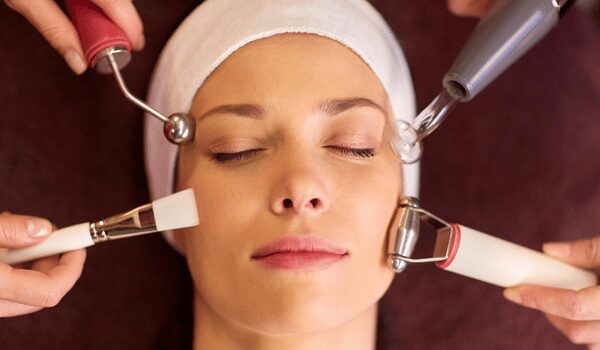
Once the barrier has recovered, many people choose professional treatments to further improve skin quality. These may include:
- Skin boosters
- Mesotherapy
- Microneedling
- Hydrating facial treatments
- PDRN-based rejuvenation protocols
Moreover, you can still use actives again once your skin barrier has gone back to a normal, balanced state. Start using actives gradually and once your skin no longer feels tight, red, stinging, and overly sensitive, slowly reintroducing them one at a time. It is also important to space them across different evenings, as this reduces the risk of recurring barrier damage.
For those exploring Korean skincare innovations, Curenex offers a range of products that complement professional aesthetic treatments. Following in-clinic procedures, maintaining hydration with Curenex Moisturizing Cream can help support skin comfort and reinforce the skin’s moisture barrier as part of an appropriate post-treatment routine.
Final Thoughts
A damaged skin barrier can leave your complexion feeling uncomfortable, reactive, and difficult to manage—but it is not permanent. With patience, a simplified routine, and consistent hydration, your skin can gradually regain its strength and resilience.
The foundation of recovery lies in protecting your skin from further irritation while replenishing the moisture it needs. Gentle cleansing, daily sun protection, and a nourishing moisturizer all play vital roles in this process.
Curenex Moisturizing Cream is an excellent addition to any barrier-focused skincare routine. By helping maintain hydration, soften dry skin, and reinforce the skin’s natural protective layer, it supports healthier-looking skin over time. Whether you’re recovering from over-exfoliation, seasonal dryness, or simply looking to strengthen your daily skincare regimen, pairing smart skincare habits with consistent moisturization can help restore a smoother, calmer, and more radiant complexion.
Frequently Asked Questions
Can oily skin have a damaged barrier?
Absolutely. Even oily skin can become dehydrated and sensitive if the barrier is compromised.
Should I stop exfoliating completely?
Temporarily, yes. Resume exfoliation only after your skin has recovered and start slowly.
Is moisturizer enough to repair the skin barrier?
Moisturizer is essential, but recovery also depends on using a gentle cleanser, avoiding irritants, protecting your skin from UV exposure, and maintaining a simple routine.
Can Curenex Moisturizing Cream be used every day?
Yes. It is suitable for daily use as part of both morning and evening skincare routines to help maintain hydration and support the skin’s natural moisture barrier.


