The field of aesthetic medicine has evolved significantly over the past decade. While traditional cosmetic treatments focused primarily on correcting visible signs of aging, modern regenerative aesthetics aims to improve the skin’s overall health and function from within. Among the most exciting developments in this area is the use of Polynucleotides (PN), a biostimulatory ingredient that has gained widespread popularity for its ability to support tissue repair, improve skin quality, and promote natural rejuvenation.
Often referred to as a “skin regenerative treatment,” PN has become a cornerstone in many advanced aesthetic protocols. From improving skin elasticity and hydration to reducing the appearance of fine lines and enhancing skin recovery, Polynucleotides offer a unique approach that differs from traditional dermal fillers and neurotoxins.
But what exactly are Polynucleotides, and why are they generating so much interest in aesthetic medicine?
Let’s explore the science behind PN and how it contributes to healthier, younger-looking skin.
What Are Polynucleotides (PN)?
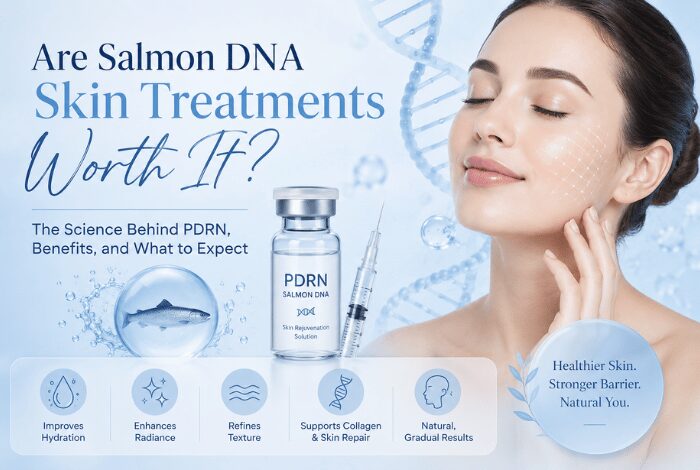
Polynucleotides are long chains of nucleotides, which are the basic building blocks of DNA and RNA. In aesthetic medicine, highly purified Polynucleotides are typically derived from salmon DNA due to its exceptional biocompatibility with human tissues.
These DNA fragments undergo extensive purification processes to ensure safety and compatibility before being formulated into injectable treatments. Once introduced into the skin, Polynucleotides act as bioactive molecules that support tissue regeneration and stimulate the skin’s natural healing mechanisms.
Unlike fillers that physically occupy space to restore volume, PN treatments work biologically by improving the skin’s environment and encouraging cellular repair.
This regenerative approach makes Polynucleotides particularly attractive for patients seeking natural-looking rejuvenation rather than immediate volumization.
Understanding Skin Aging at the Cellular Level
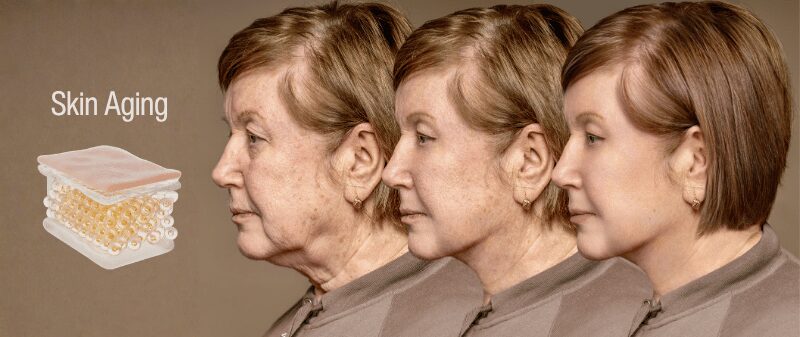
To appreciate the benefits of PN, it is important to understand how skin aging occurs.
As we age, several biological processes contribute to skin deterioration:
- Reduced collagen and elastin production
- Decreased fibroblast activity
- Loss of skin hydration
- Accumulation of oxidative stress
- Impaired tissue repair mechanisms
- Thinning of the dermal layer
- Increased inflammation
These changes gradually lead to:
- Fine lines and wrinkles
- Sagging skin
- Dull complexion
- Uneven texture
- Reduced elasticity
- Delayed wound healing
Traditional cosmetic procedures often address these symptoms directly. However, regenerative treatments like Polynucleotides target some of the underlying biological causes of skin aging.
How Polynucleotides Work in the Skin
The effectiveness of PN stems from several complementary mechanisms that occur after injection.
Tissue Repair and Regeneration
One of the primary functions of Polynucleotides is supporting tissue regeneration. When injected into the dermis, PN creates an environment conducive to cellular repair. The molecules act as biological scaffolding that helps damaged tissues recover and regenerate more efficiently. This regenerative effect is particularly beneficial for aging, stressed, or environmentally damaged skin. Instead of simply masking imperfections, PN encourages the skin to rebuild itself through natural physiological processes.
Fibroblast Stimulation
Fibroblasts are among the most important cells in maintaining youthful skin. These specialized cells are responsible for producing collagen and elastin fibers, hyaluronic acid, and extracellular matrix components.
As fibroblast activity declines with age, the skin gradually loses firmness and elasticity. Research suggests that Polynucleotides help stimulate fibroblast activity, encouraging these cells to produce structural proteins that improve skin quality over time. The result is firmer, healthier, and more resilient skin.
Enhanced Collagen Production
Collagen is the most abundant protein in the skin and provides structural support. After the age of 25, collagen production naturally decreases each year. This gradual loss contributes significantly to visible signs of aging. PN treatments help promote neocollagenesis, the process of generating new collagen fibers. Increased collagen synthesis can lead to the following:
- Improved skin firmness
- Reduced fine lines
- Better elasticity
- Enhanced skin texture
- Stronger dermal support
Because collagen remodeling occurs gradually, improvements continue to develop for weeks and months after treatment.
Deep Skin Hydration
Hydration plays a crucial role in maintaining healthy skin function. Polynucleotides possess hydrophilic properties, meaning they can attract and retain water molecules within the skin. Improved hydration helps:
- Increase skin plumpness
- Reduce rough texture
- Improve skin elasticity
- Enhance radiance
- Support barrier function
Patients often notice that their skin appears brighter, smoother, and healthier after completing a PN treatment series.
Antioxidant Protection
Oxidative stress is one of the primary contributors to premature skin aging. Environmental factors such as UV exposure, pollution, smoking, and stress generate free radicals that damage cellular structures and accelerate aging.
Polynucleotides have been shown to help neutralize free radicals and support the skin’s natural defense mechanisms. This antioxidant activity contributes to healthier skin and may help slow the progression of age-related changes.
Anti-Inflammatory Benefits
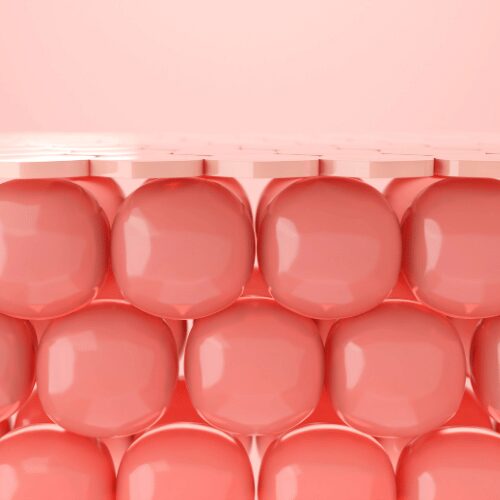
Chronic low-grade inflammation is increasingly recognized as a major factor in skin aging. Inflammation can disrupt collagen production, impair healing, and accelerate tissue degradation. PN may help modulate inflammatory responses within the skin, creating a healthier environment for regeneration and repair. This makes Polynucleotides particularly valuable for sensitive, compromised, or stressed skin.
What is the Difference Between PN and Traditional Dermal Fillers?
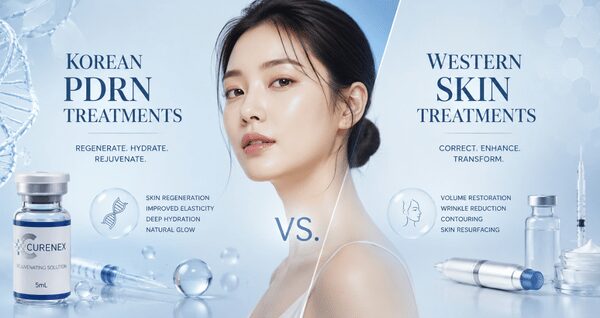
Although both treatments involve injections, polynucleotides and dermal fillers serve different purposes and work in very different ways. Dermal fillers are mainly used to restore or enhance facial structure by adding volume beneath the skin, while PN treatments are designed to improve the condition and function of the skin itself. Rather than creating an immediate lifting or volumizing effect, polynucleotides support gradual skin regeneration, hydration, tissue repair, and collagen stimulation over time.
| Category | Dermal Fillers | PN Boosters |
| Purpose / Treatment Focus | Designed primarily to restore lost volume, enhance facial contours, lift specific areas, and fill deeper folds. | Designed primarily to improve skin quality by supporting skin regeneration, tissue repair, collagen stimulation, hydration, and overall rejuvenation. |
| Results | Results are often visible immediately after treatment because fillers physically add structure beneath the skin. | Results develop gradually as the skin undergoes biological remodeling and improves from within over time. |
| Ideal Patient Goals | Best suited for patients who want more immediate contouring, volume replacement, or structural enhancement. | Best suited for patients who want gradual, natural-looking improvement in texture, elasticity, hydration, and radiance. |
Areas Commonly Treated with Polynucleotides
One of the reasons PN has become so popular is its versatility. Because polynucleotides focus on improving overall skin quality rather than simply adding volume, they can be used across a range of areas where the skin appears thin, tired, dehydrated, or affected by early signs of aging. This makes PN a flexible treatment option for patients who want gradual, natural-looking improvement in texture, elasticity, hydration, and radiance.
Common treatment areas include:
- Face
The face remains the most frequently treated area. Benefits may include improved skin texture, enhanced elasticity, reduction in fine lines, better hydration, and increased radiance.
- Under-Eye Area
The delicate under-eye region often responds well to PN treatments. Patients commonly seek treatment for crepey skin, fine lines, dark circles, thin skin, and a tired appearance. Because PN focuses on skin quality rather than volume, it is often considered suitable for this sensitive area.
- Neck
The neck frequently reveals signs of aging earlier than expected. PN treatments may help improve skin laxity, horizontal neck lines, texture irregularities, and dehydration.
- Décolletage
Sun exposure and aging often affect the chest area. Polynucleotides can support improved skin texture, better elasticity, enhanced hydration, and a smoother appearance.
- Hands
Hand rejuvenation has become increasingly popular in aesthetic medicine. PN treatments may help restore a more youthful appearance by improving skin quality and hydration.
Why PN Is Considered a Regenerative Treatment
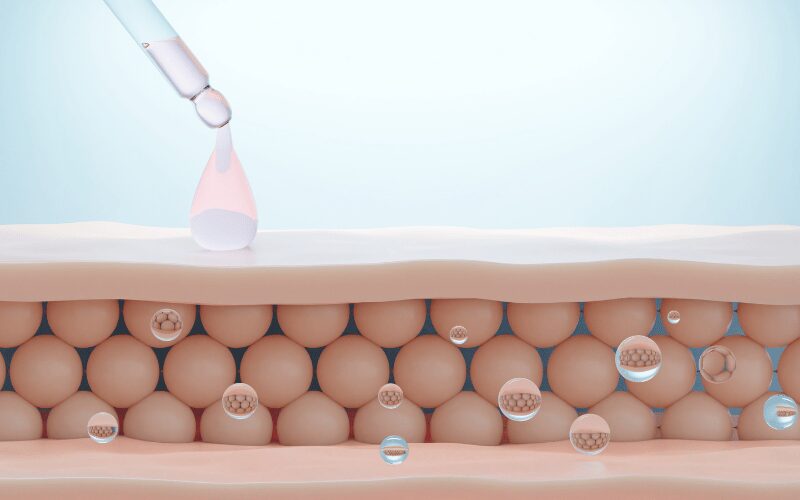
Regenerative aesthetics focuses on stimulating the body’s natural repair processes. Rather than creating an artificial correction, regenerative treatments encourage the skin to function more effectively on its own. Polynucleotides fit perfectly into this philosophy because they produce numerous advantages to the skin, including supporting tissue repair, stimulating collagen synthesis, enhancing cellular activity, improving skin health, and promoting long-term rejuvenation.
This approach, where polynucleotides can help stimulate the regeneration of skin tissues for a more youthful appearance, appeals to patients seeking subtle, natural-looking improvements rather than dramatic cosmetic changes. Moreover, polynucleotides, as biostimulators, work within the cellular level of the skin, focusing on providing long-term skin health rather than just superficial, short-term benefits.
Treatment Guide to Using Polynucleotides
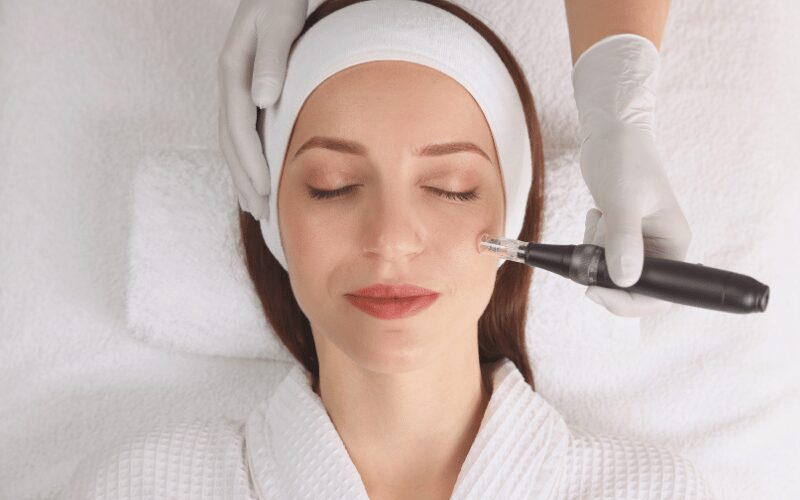
Polynucleotide treatments can benefit a wide range of patients. Ideal candidates may include individuals who:
- Notice early signs of aging
- Have dehydrated skin
- Experience reduced elasticity
- Want natural skin rejuvenation
- Seek preventative anti-aging treatments
- Have environmentally damaged skin
- Desire improved skin texture
Because PN focuses on skin quality rather than volume replacement, it can be suitable for both younger and mature patients. Also, results from PN treatments are generally progressive. The most significant improvements typically become apparent after multiple treatment sessions. Many patients report improvements to their skin, be they short-term or long-term, such as the following:
The Growing Popularity of PN in Aesthetic Medicine
The rise of Polynucleotide treatments reflects a broader shift in aesthetic medicine toward results that look natural, support long-term skin health, and work with the body’s own repair mechanisms. Instead of focusing only on correcting visible signs of aging after they appear, many patients are now seeking treatments that help maintain skin quality, strengthen the skin barrier, and encourage gradual rejuvenation over time.
Patients today are increasingly interested in natural-looking results, preventative treatments, skin health optimization, regenerative therapies, and long-term rejuvenation. This reflects a growing preference for aesthetic options that gradually and subtly enhance the skin, rather than creating dramatic or overly altered changes.
Rather than simply filling wrinkles, many individuals want treatments that improve the skin’s biological function and overall quality. PN addresses these goals by supporting the skin’s natural regenerative processes.
As scientific understanding of regenerative medicine continues to expand, Polynucleotides are expected to remain a significant component of advanced aesthetic treatment protocols.
Final Thoughts
Polynucleotides represent one of the most exciting innovations in modern aesthetic medicine. By supporting tissue repair, stimulating fibroblast activity, promoting collagen production, enhancing hydration, and helping protect against oxidative stress, PN treatments offer a comprehensive approach to skin rejuvenation.
Unlike traditional cosmetic procedures that primarily address visible symptoms of aging, Polynucleotides work at the cellular level to improve the skin’s underlying health and function. This regenerative mechanism allows for gradual, natural-looking improvements that continue to develop over time.
As the demand for regenerative aesthetics continues to grow, Polynucleotides are increasingly recognized as a valuable tool for achieving healthier, stronger, and more youthful-looking skin. Whether used alone or combined with other aesthetic treatments, PN provides an innovative pathway toward long-term skin revitalization and age-management strategies rooted in science rather than simple cosmetic correction.