When your skin is well-hydrated, it naturally looks fresher, smoother, and more radiant. It feels comfortable, has a healthy bounce, and appears more resilient throughout the day. But when daily stressors such as sun exposure, air conditioning, lack of sleep, aging, or a weakened skin barrier start to affect the skin, it can lose water faster than it can hold on to it. This leads to dehydrated skin, a common concern that can happen to any skin type—even oily or acne-prone skin.
It is also important to understand that dehydrated skin is not the same as dry skin. Dry skin usually lacks oil, while dehydrated skin lacks water. That is why the right approach is not always about using thicker creams, but about helping the skin regain moisture and keeping that hydration from escaping too quickly.
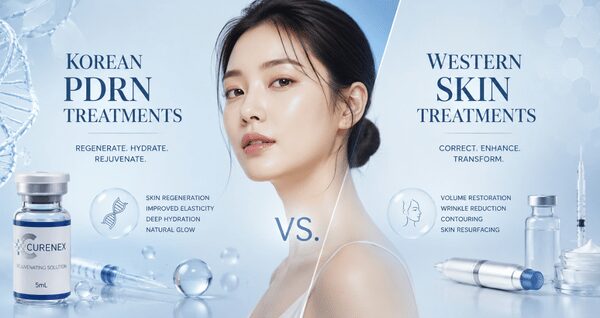
The good news is that modern aesthetic treatments now offer more targeted ways to support thirsty, tired-looking skin. Options such as PDRN-based regenerative treatments, hyaluronic acid skin boosters, and collagen-stimulating procedures can help improve hydration, skin texture, and overall glow from within. These are all Curenex Signature and Essential ingredients present in the products available in the collection.
In this guide, we’ll walk through what causes dehydrated skin, how to tell if your skin needs more hydration, and which professional treatments can help restore moisture, comfort, and a healthier-looking glow over time.
Understanding Dehydrated Skin
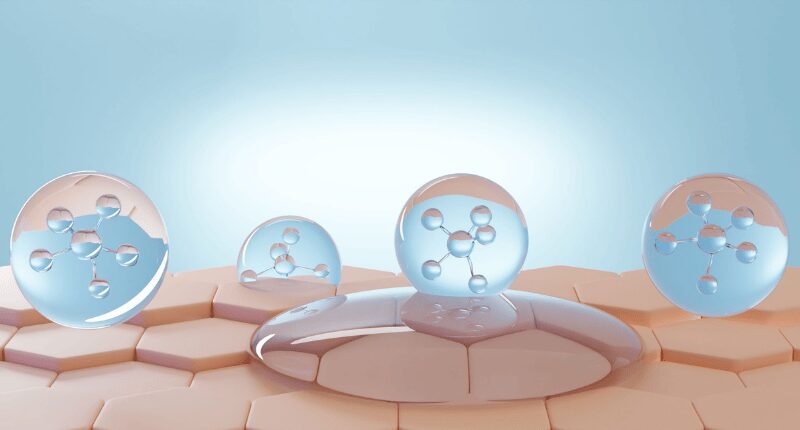
Dehydrated skin happens when your skin does not have enough water in its outer layers, especially the epidermis. It is not the same as having a naturally dry skin type. Instead, it is a temporary skin condition that can affect anyone—even people with oily, combination, sensitive, or acne-prone skin. That is why your face can look shiny on the surface but still feel tight, rough, or uncomfortable underneath.
The American Academy of Dermatology explains that when the skin loses too much moisture, it can start to look more dehydrated, rough, and lined. In simpler terms, dehydrated skin often looks tired because it is not holding on to water as well as it should. Research on trans-epidermal water loss also supports this idea, showing that increased water evaporation is often linked to a weakened skin barrier.
One of the main reasons this happens is a process called trans-epidermal water loss. This simply means that water from inside the skin rises to the surface and evaporates. A small amount of water loss is normal, but when the skin barrier is stressed by harsh cleansers, too much exfoliation, low humidity, sun exposure, or irritation, water escapes more easily. When this happens, the skin may look dull, feel less bouncy, and react more strongly to products or changes in the environment.
You may be dealing with dehydrated skin if you notice signs such as:
- Skin that feels tight after cleansing, even if it does not look flaky or dry
- A dull, tired-looking complexion that has lost some of its natural glow
- Stinging, sensitivity, or discomfort when applying products you normally tolerate
- Fine lines that seem more noticeable, especially around the eyes, cheeks, and mouth
- Rough or uneven texture that does not fully improve with regular moisturizer
- Makeup that settles into lines or starts to look patchy during the day
- Redness or flushing after cleansing, weather changes, or active skincare ingredients
- Oily areas that still feel uncomfortable, tight, or lacking in moisture
When the skin is dehydrated, its protective barrier may not work as well as it should. This can make the skin more easily irritated by pollution, UV exposure, weather changes, and strong skincare products. For that reason, improving dehydrated skin is not just about applying a thicker cream. The goal is to help the skin regain water, slow down moisture loss, and strengthen the barrier so it can stay hydrated for longer.
What Causes Skin Dehydration?
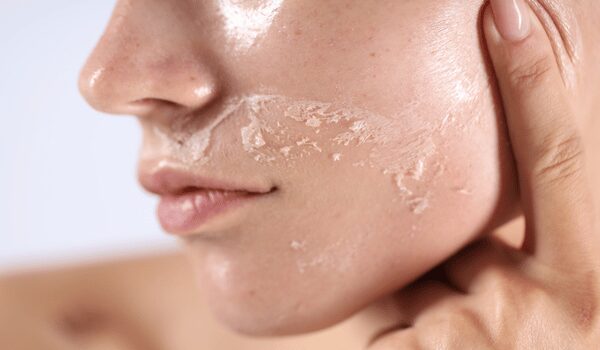
Skin dehydration usually happens when the skin loses water faster than it can replace or retain it. Formally known as trans-epidermal water loss or TEWL, this can be triggered by external stressors, natural changes in the skin, and everyday habits that weaken the skin barrier. Common contributors include:
- Environmental conditions: Cold weather, low humidity, excessive sun exposure, and air conditioning can pull moisture from the skin and leave it feeling tight or depleted.
- Aging: As we age, the skin naturally produces less hyaluronic acid and collagen, which can reduce its ability to hold water and maintain a plump, supple look.
- Over-exfoliation: Using strong acids, retinoids, or physical scrubs too often may weaken the skin barrier, making it easier for water to escape.
- Lifestyle factors: Not drinking enough water, poor sleep, smoking, stress, and excessive alcohol intake can all affect how well the skin stays hydrated and repairs itself.
- Inappropriate skincare: Harsh cleansers, alcohol-based products, or formulas that strip the skin can remove protective lipids and accelerate moisture loss.
Why Topical Moisturizers May Not Be Enough
Traditional moisturizers help reduce water loss from the skin’s surface, but they cannot always replenish hydration within the deeper layers of the dermis. Professional aesthetic treatments are designed to deliver active ingredients where they can support skin repair, collagen production, and moisture retention more effectively.
- PDRN Skin Rejuvenation: A Regenerative Approach
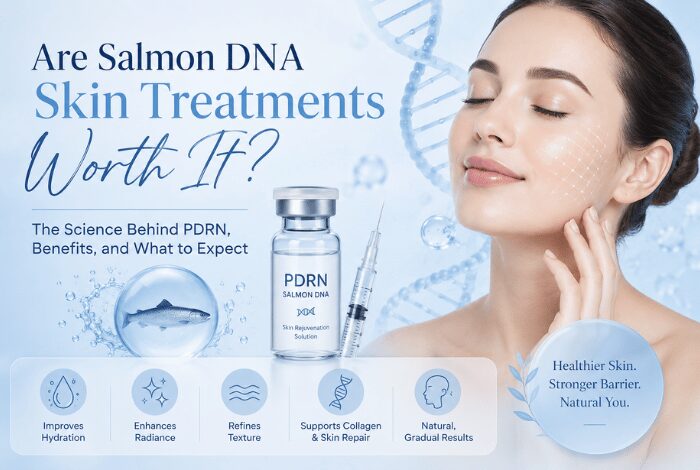
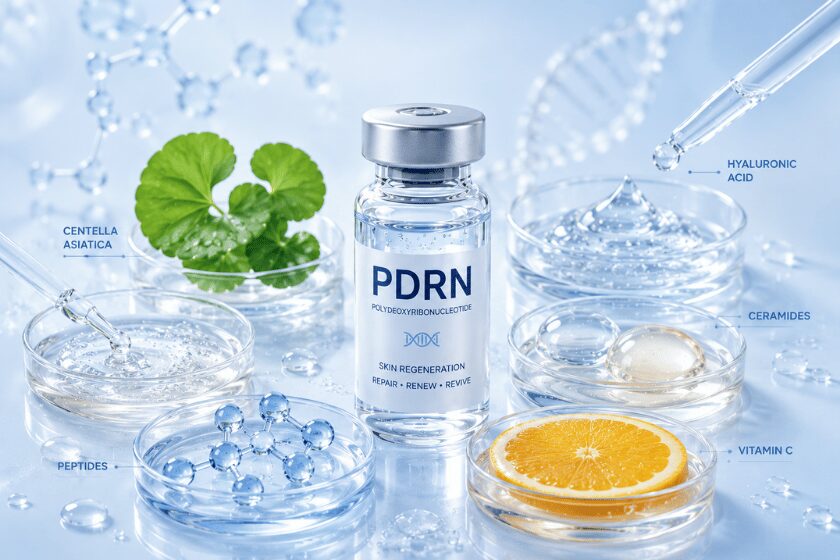
Among the most innovative treatments for dehydrated skin is PDRN (polydeoxyribonucleotide) therapy. PDRN is derived from purified DNA fragments and is widely used in regenerative aesthetics to support tissue repair and improve overall skin quality. Rather than acting solely as a moisturizer, it encourages healthier cellular activity and may help restore the skin’s natural ability to maintain hydration.
Potential benefits include the following:
- Enhanced skin repair
- Improved elasticity
- Increased collagen synthesis
- Better moisture retention
- Reduction in fine lines
- Healthier-looking skin texture
For patients seeking long-term improvement rather than temporary hydration, PDRN-based treatments have become increasingly popular.
- Hyaluronic Acid Skin Boosters
Hyaluronic acid is capable of binding significant amounts of water, making it one of the most effective hydrating ingredients in aesthetic medicine. Unlike dermal fillers that add volume, skin boosters distribute hyaluronic acid across the skin to improve hydration and quality.
Benefits include:
- Deep hydration
- Improved suppleness
- Smoother texture
- Increased radiance
- Softer fine lines
- Better elasticity
Patients often report a refreshed, dewy complexion after completing a series of treatments.
- Mesotherapy
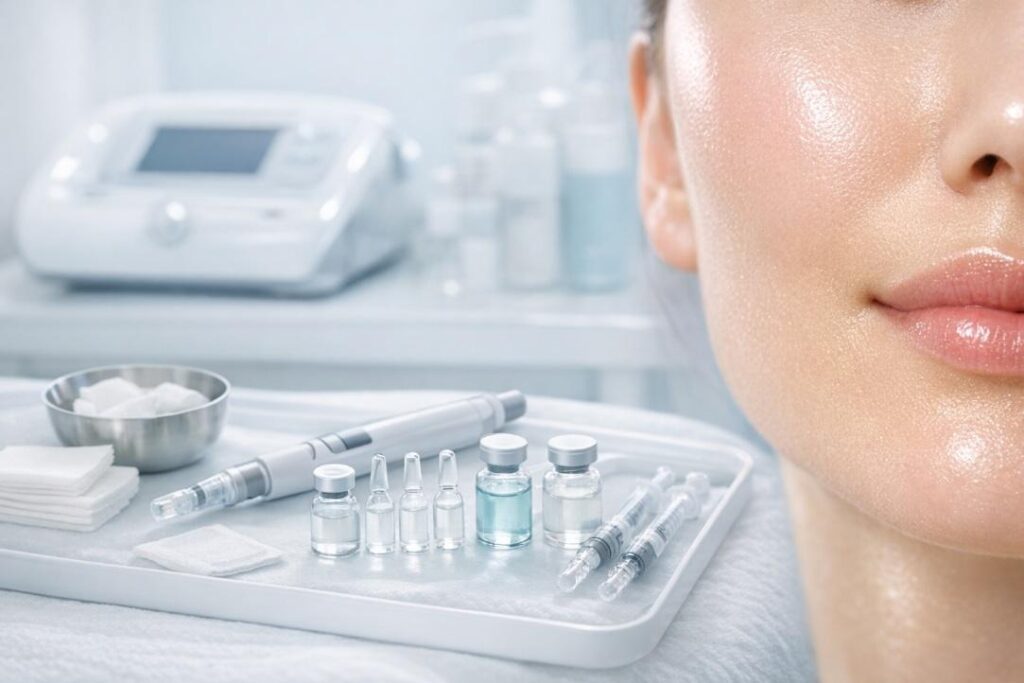
Mesotherapy involves delivering customized blends of hydrating and regenerative ingredients into the superficial layers of the skin. Depending on the formulation, treatments may include the following:
- Hyaluronic acid
- Vitamins
- Amino acids
- Peptides
- Antioxidants
- PDRN or polynucleotides
The goal is to nourish the skin directly and enhance hydration where topical products may have limited penetration.
- Microneedling with Regenerative Serums
Microneedling creates controlled microchannels that stimulate collagen production while improving absorption of topical actives. When paired with hydrating or regenerative serums, it may help the following:
- Improve moisture retention
- Reduce rough texture
- Minimize acne scars
- Increase collagen production
- Enhance overall skin glow
Many patients experience smoother and more radiant skin after a series of treatments.
- Polynucleotide Therapy
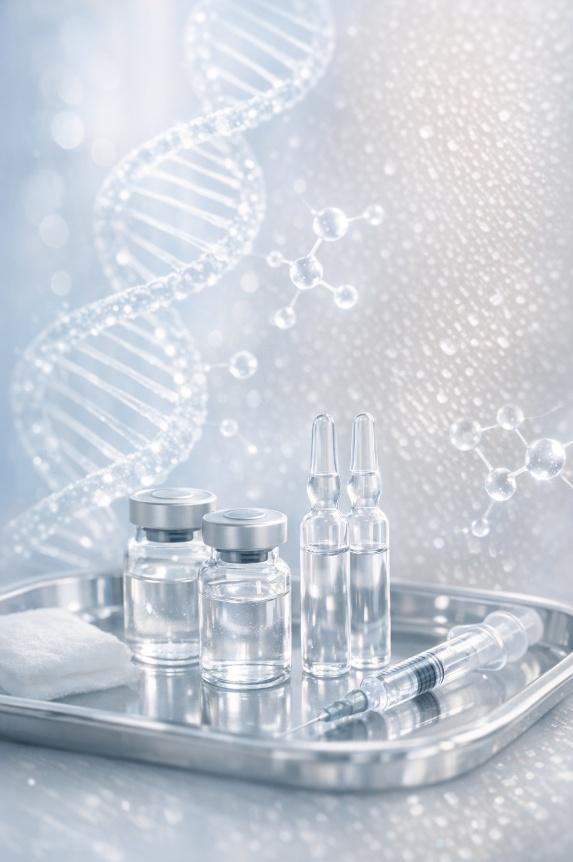
Polynucleotides are increasingly recognized for their ability to support skin regeneration and hydration. These molecules may encourage fibroblast activity, improve extracellular matrix health, and enhance tissue repair, making them valuable for dehydrated or aging skin.
Benefits may include:
- Improved elasticity
- Better skin resilience
- Increased hydration
- Smoother complexion
- Reduced visible signs of aging
- Exosome-Based Skin Therapies
Exosomes contain signaling molecules that facilitate communication between cells and may promote tissue repair. In aesthetic medicine, they are often incorporated into combination treatments following microneedling or laser procedures to enhance recovery and improve skin quality.
Potential advantages include the following:
- Support for skin renewal
- Enhanced hydration
- Better collagen remodeling
- Reduced downtime
- Improved radiance
Research into exosome technology continues to evolve, but early clinical applications are promising.
- Gentle Laser Rejuvenation
Certain laser treatments stimulate collagen remodeling while improving texture and pigmentation. When selected appropriately, they may help dehydrated skin by:
- Supporting collagen production
- Refining texture
- Improving uneven tone
- Encouraging healthier skin renewal
These treatments are frequently combined with hydrating therapies for comprehensive rejuvenation.
- Medical-Grade Hydrating Skincare
Professional in-clinic procedures deliver optimal results when supported by an effective home routine.
Ingredients worth looking for include:
- Hyaluronic acid
- Ceramides
- Panthenol
- Niacinamide
- Peptides
- Glycerin
- Squalane
These ingredients strengthen the skin barrier and help reduce trans-epidermal water loss.
The Role of Curenex in Hydration-Focused Treatments
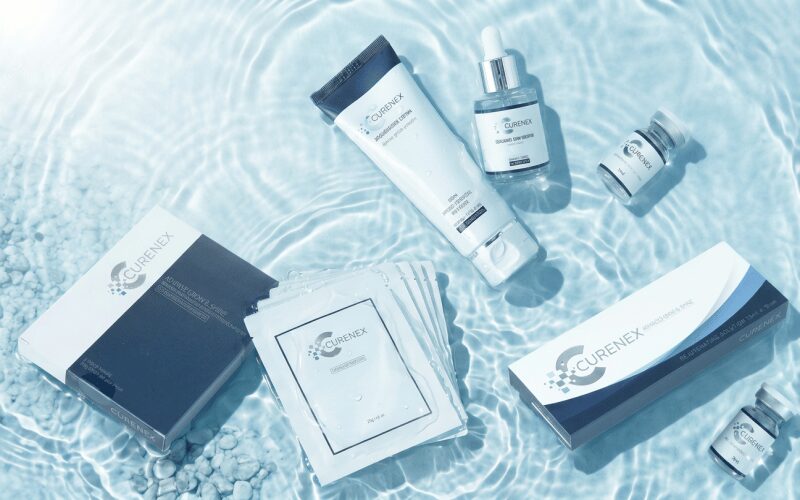
Regenerative skincare solutions featuring PDRN have gained attention for their ability to improve overall skin quality while supporting hydration and repair.
Within the Curenex range, products such as Curenex Glow Rejuvenating Solution are designed to combine regenerative ingredients with hydrating and collagen-supportive components. Professional protocols may incorporate these formulations as part of broader rejuvenation plans aimed at enhancing skin radiance, elasticity, and moisture.
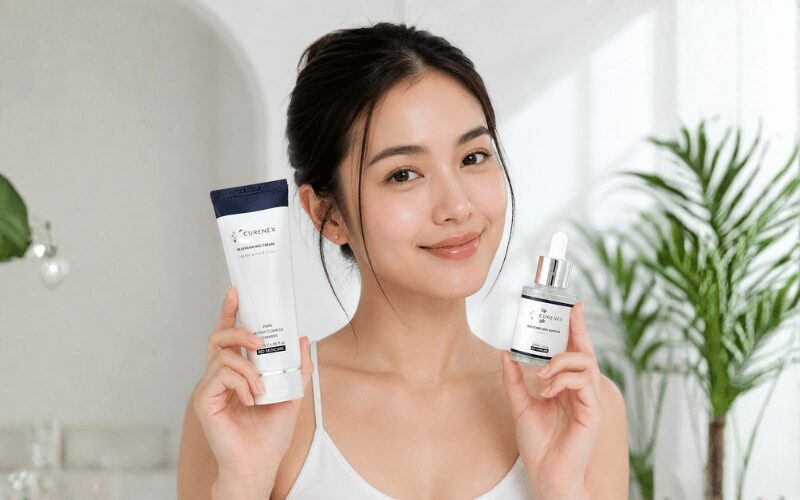
Complementary products such as the Curenex Rejuvenating Cream and Curenex Rejuvenating Mask can further support hydration and barrier recovery as part of an ongoing skincare regimen.
When it comes to restoring dehydrated skin, consistency is just as important as professional treatments. An effective regimen should combine intensive hydration, skin barrier support, and ingredients that promote regeneration. This is where the Curenex skincare line can complement an overall hydration-focused routine.
- Curenex Glow Rejuvenating Solution: Intensive Hydration and Skin Revitalization
If your skin looks dull, feels dehydrated, or seems to have lost some of its firmness and bounce, Curenex Glow Rejuvenating Solution may be a helpful option to consider. It is formulated with PDRN (salmon DNA-derived sodium DNA), sodium hyaluronate, hydrolyzed collagen, glutathione, and a multi-peptide complex to help support moisture, comfort, and a healthier-looking glow.
Sodium hyaluronate helps draw water into the skin and keep it feeling hydrated, while PDRN and peptides help support skin renewal and a smoother-looking texture. Glutathione adds brightening support, making this solution especially suitable for those who want skin that looks more refreshed, radiant, and well-rested.
When used as part of a professional treatment plan or a consistent skincare routine, Curenex Glow Rejuvenating Solution can help dehydrated, tired-looking skin appear plumper, smoother, and more luminous over time.
- Curenex Rejuvenating Cream: Locking In Moisture Every Day
Hydration does not stop after a treatment or after applying a serum. To keep the skin feeling comfortable and looking healthy, it also needs help holding on to that moisture. Curenex Rejuvenating Cream is designed to support the skin barrier while providing lasting nourishment that can be used both morning and night.
With moisturizing and skin-conditioning ingredients, this cream helps ease the feeling of dryness and leaves the skin feeling softer, smoother, and more cared for. It can be especially helpful after cleansing or after aesthetic treatments, when the skin may feel more sensitive and in need of extra comfort.
For those who often deal with dehydrated skin, adding a barrier-supporting moisturizer like Curenex Rejuvenating Cream to the daily routine can help reduce moisture loss and keep the complexion looking healthier, calmer, and more balanced over time.
- Curenex Rejuvenating Mask: A Weekly Boost for Dehydrated Skin
On days when your skin feels extra tight, tired, or in need of a quick moisture boost, Curenex Rejuvenating Mask can be a simple way to give it added care. Its sheet mask format makes it easy to use while delivering concentrated hydration directly to the skin.
The mask is infused with skin-supporting ingredients such as PDRN, hyaluronic acid, peptides, glutathione, collagen, and niacinamide. Together, these ingredients help replenish moisture, soften the look of dullness, and leave dehydrated skin looking fresher and more revived. The soft cotton sheet also helps keep the essence close to the skin, giving it more time to absorb during use.
It can also be a comforting option after professional treatments, especially when the skin may feel more delicate and needs extra soothing, hydration, and barrier support.
A Sample Hydration Routine Using Curenex Products
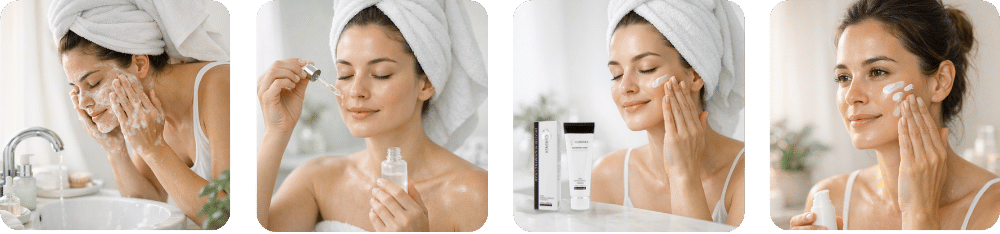
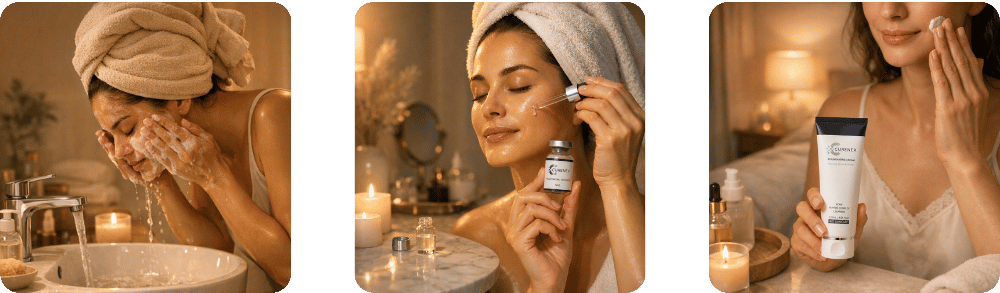
For individuals dealing with dehydrated skin, the following routine can help maximize hydration and support skin health:
Morning
Evening
Weekly Intensive Care
Incorporate Curenex Rejuvenating Mask one or two times per week, or after aesthetic procedures as directed, to deliver an extra boost of hydration and promote a smoother, more radiant complexion.
Final Thoughts on Curenex Products for Treatment of Dry Skin
Dehydrated skin is not just about looking dull or feeling tight. When the skin does not have enough water, its barrier can become weaker, making it more prone to sensitivity, roughness, and early signs of aging. The good news is that today’s aesthetic treatments offer more advanced ways to support the skin beyond what a regular moisturizer can do.
Options such as PDRN therapy, hyaluronic acid skin boosters, mesotherapy, microneedling, and other regenerative treatments can help bring moisture back into the skin, encourage collagen production, and improve overall skin quality. When paired with medical-grade skincare and healthy daily habits, these treatments can help the skin look smoother, brighter, and more resilient over time.
If you want results that last longer than a quick moisture boost, a personalized plan focused on hydration and skin regeneration may be a worthwhile step. With the right combination of professional care, supportive products, and consistent habits, dehydrated skin can gradually look healthier, feel more comfortable, and regain its natural glow.
Frequently Asked Questions
Can oily skin be dehydrated?
Yes. Oily skin can produce excess sebum while still lacking water, leading to shine accompanied by tightness or dullness.
How long do professional hydration treatments last?
Results vary by treatment type and individual factors, but many patients benefit from maintenance sessions every few months alongside consistent skincare.
Are skin boosters better than moisturizers?
They serve different purposes. Moisturizers reduce water loss from the surface, while skin boosters aim to improve hydration within deeper skin layers.
How many sessions are typically needed?
Many protocols recommend a series of treatments followed by maintenance, though the ideal schedule depends on the individual and the chosen procedure.