
Dehydrated Skin vs Dry Skin: Key Differences, Signs, and the Best Treatment Guide
Many people believe dry skin and dehydrated skin are the same. They are not. While both can make your skin feel rough and uncomfortable, they have different causes and need different solutions.
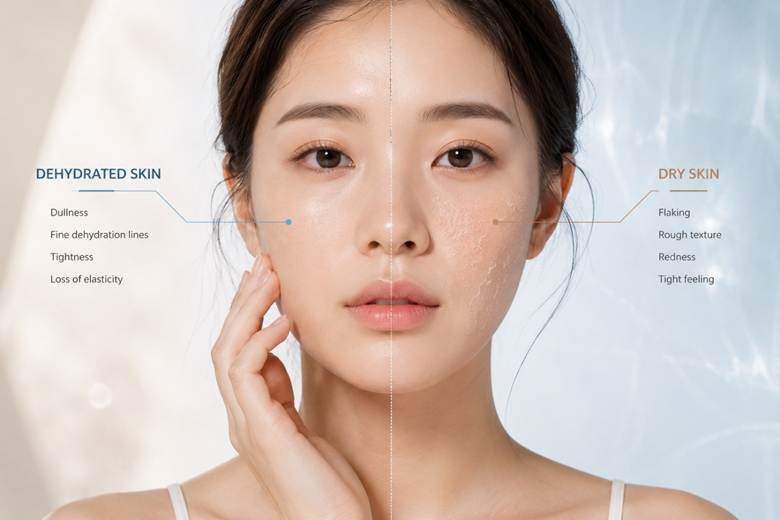
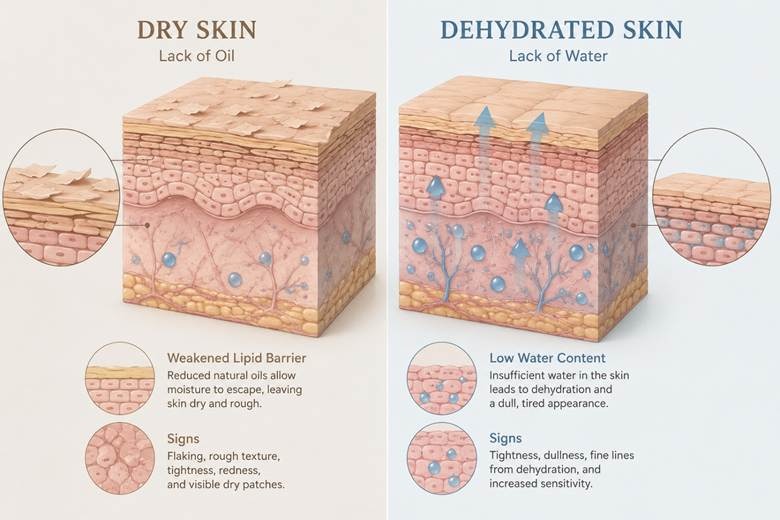
Dry skin lacks natural oils. Dehydrated skin lacks water. One is a skin type, while the other is a temporary skin condition that anyone can experience—even people with oily or acne-prone skin.
Understanding the difference helps you choose the right skincare products and treatments. It can also prevent common mistakes that make your skin feel worse instead of better.
This guide explains how to identify each condition, what causes them, and the best ways to restore healthy, glowing skin.
What Is Dry Skin?
Dry skin is a skin type. It produces less sebum than normal skin.
Sebum is the natural oil that keeps your skin soft and protected. When your skin produces too little oil, moisture escapes more easily. This weakens the skin barrier and leaves the skin feeling rough.
People with naturally dry skin often experience these symptoms throughout the year. Common signs include:
● Rough texture
● Flaking
● Peeling
● Tightness
● Dull appearance
● Fine cracks
● Increased sensitivity
● Itching
Dry skin often appears on the cheeks, around the mouth, hands, and lower legs. Because it is a skin type, it usually requires ongoing care rather than a temporary fix.
What Is Dehydrated Skin?
Dehydrated skin is different. It is a condition caused by a lack of water in the skin. Unlike dry skin, dehydrated skin can affect every skin type. Even someone with oily skin can have dehydrated skin.
Your face may produce excess oil while still lacking enough water beneath the surface. This often causes confusing symptoms that lead people to use stronger cleansers, making dehydration even worse.
Dehydrated skin is usually temporary and improves once water balance and the skin barrier are restored. To restore glowing and healthier skin, read our article about the best treatments for dehydrated skin.
Dry Skin vs Dehydrated Skin: The Main Difference
The easiest way to remember the difference is this:
| Dry Skin | Dehydrated Skin |
| Lacks oil | Lacks water |
| Skin type | Temporary condition |
| Usually lifelong | Often reversible |
| Needs nourishing lipids | Needs hydration and barrier repair |
| Less oil production | May still produce excess oil |
Although the causes differ, both conditions may exist at the same time. For example, someone with naturally dry skin can also become dehydrated after illness, excessive sun exposure, or harsh skincare products.
How to Tell If Your Skin Is Dehydrated
One of the easiest ways is the pinch test. This involves gently pinching the skin on your cheek. If it wrinkles easily and takes a moment to return to normal, your skin may be dehydrated. Other signs include:
● Tight skin after washing
● Increased oiliness during the day
● Makeup settling into fine lines
● Dull complexion
● Temporary fine lines
● Less elasticity
● Sensitive skin
● Tired-looking appearance
These symptoms usually improve after proper hydration.
How to Know If You Have Dry Skin
Dry skin shows different signs. Common symptoms include:
● Visible flakes
● Rough patches
● Persistent tightness
● Redness
● Cracked skin
● Itching
● Peeling
● Dryness throughout the day
Unlike dehydration, these symptoms usually remain even after drinking more water. The skin needs additional oils to strengthen its protective barrier.
What Causes Dry Skin?
Several factors contribute to naturally dry skin. These include:
1. Genetics – Many people inherit lower oil production.
2. Aging – Sebum production naturally decreases with age.
3. Cold Weather – Low humidity removes moisture from the skin.
4. Hot Showers – Long, hot showers strip away protective oils.
5. Harsh Cleansers – Strong soaps damage the skin barrier.
6. Medical Conditions – Conditions like eczema and psoriasis commonly cause dry skin.
What Causes Dehydrated Skin?
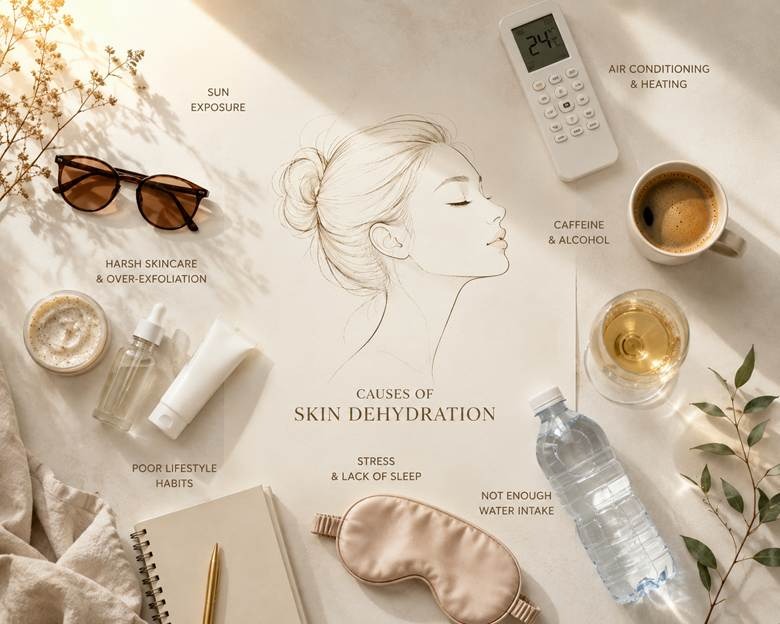
Dehydration can happen for many reasons. Common causes include:
1. Not Drinking Enough Water – Low fluid intake reduces overall hydration.
2. Excessive Sun Exposure – UV rays damage the skin barrier.
3. Air Conditioning and Heating – Indoor climate control removes moisture from the air.
4. Over-Exfoliation – Too many acids or scrubs weaken the skin barrier.
5. Alcohol and Excess Caffeine – These may contribute to fluid loss in some people.
6. Stress – Chronic stress can affect skin barrier function.
7. Lack of Sleep – Poor sleep slows normal skin repair.
Can Oily Skin Be Dehydrated?
Yes, this is, in fact, one of the most misunderstood skincare concerns. When skin loses water, it often responds by producing more oil. As a result, your face may feel greasy while still feeling tight after cleansing.
Many people mistake this for excess oil and continue using drying products. Unfortunately, this often creates an endless cycle of dehydration and increased oil production. Restoring water balance usually helps normalize oil levels over time.
If you have oily skin, our guide on using Curenex for oily skin explains how hydration can improve excess oil production.
Which Condition Causes Fine Lines?
Both conditions can make fine lines appear more noticeable.
Dehydrated skin creates temporary “dehydration lines.” These lines often improve after proper hydration. On the other hand, dry skin may also show fine lines because the surface lacks smoothness and flexibility.
Hydrating ingredients can soften dehydration lines quickly, while dry skin often needs long-term barrier repair with nourishing lipids.
Best Ingredients for Dry Skin
Dry skin benefits from ingredients that replace missing oils.
Look for:
● Ceramides
● Shea butter
● Squalane
● Cholesterol
● Fatty acids
● Jojoba oil
● Plant oils
● Petrolatum for overnight moisture sealing
These ingredients reinforce the skin barrier and reduce moisture loss.
Best Ingredients for Dehydrated Skin
Dehydrated skin needs water-binding ingredients. The most effective include:
● Hyaluronic acid
● Polyglutamic acid
● Glycerin
● Panthenol
● Beta-glucan
● Aloe vera
● Sodium PCA
● Tremella mushroom extract
These ingredients attract water into the skin and improve hydration.
How PDRN Supports Healthier Skin
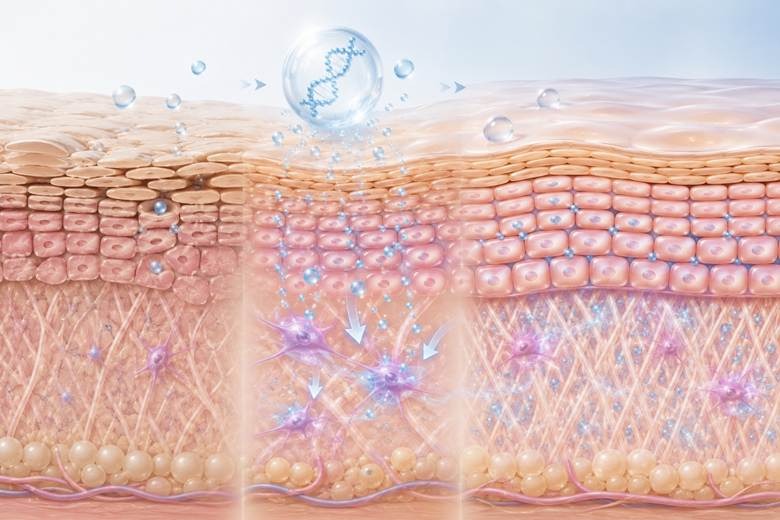
Hydration alone is not always enough.
When the skin barrier has been damaged by environmental stress, over-exfoliation, or aging, supporting the skin’s natural repair process becomes equally important.
PDRN (Polydeoxyribonucleotide) is widely used in aesthetic medicine to support skin recovery and improve overall skin quality. If you’re new to this ingredient, our guide on What Is PDRN? explains how it supports skin repair, collagen production, and hydration.
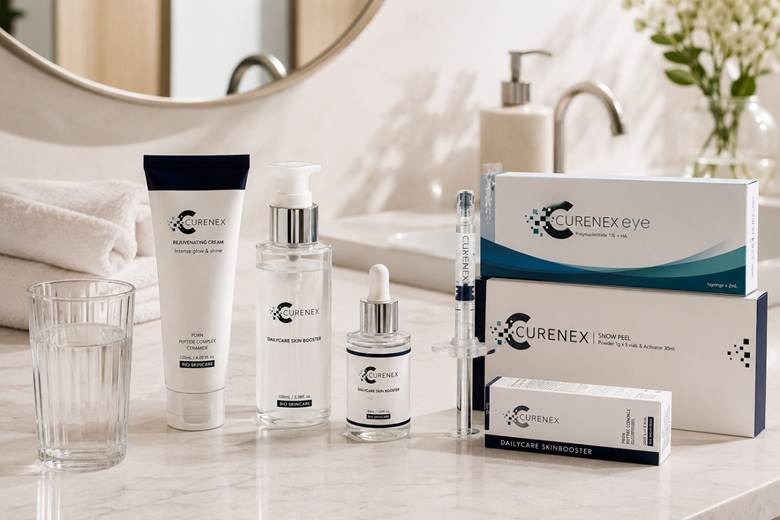
Products like Curenex combine PDRN with hydrating ingredients to help improve the appearance of tired, dehydrated skin while supporting healthier-looking skin over time.
Potential benefits include the following:
● Improved skin hydration
● Better skin texture
● Enhanced elasticity
● Stronger skin barrier
● Healthier-looking complexion
● Reduced appearance of dehydration lines
● Brighter skin
● Smoother overall appearance
PDRN is not simply another moisturizer. Instead, it complements a complete skincare routine by supporting skin renewal alongside proper hydration and barrier care.
Daily Skincare Routine for Dry Skin
A simple routine works best.
Morning
● Gentle cream cleanser
● Hydrating toner
● Ceramide moisturizer
● Broad-spectrum sunscreen SPF 30+
Evening
● Gentle cleanser
● Hydrating serum
● Rich moisturizer
● Sleeping cream if needed
Avoid harsh foaming cleansers and excessive exfoliation.
Daily Skincare Routine for Dehydrated Skin
Focus on increasing water content.
Morning
● Gentle cleanser
● Hydrating serum
● Lightweight moisturizer
● Sunscreen
Evening
● Mild cleanser
● Hyaluronic acid serum
● PDRN-based skincare
● Moisturizer
Apply hydrating serums to slightly damp skin for better moisture retention. For long-term skin health, our article on How Often Should You Use Curenex? explains the recommended treatment schedule.
Lifestyle Habits That Improve Skin Hydration
Healthy skin starts beyond skincare. Simple habits include:
● Drink enough water throughout the day.
● Eat fruits and vegetables with high water content.
● Include healthy fats such as salmon, nuts, and avocados.
● Sleep seven to nine hours each night.
● Use a humidifier during dry weather.
● Avoid smoking.
● Limit excessively hot showers.
● Wear sunscreen every day.
These habits help maintain healthier skin from the inside out.
Common Mistakes People Make
Many skincare problems happen because people confuse dry skin with dehydration. You must avoid these mistakes to maintain healthy, glowing skin:
● Using harsh cleansers every day
● Over-exfoliating
● Skipping moisturizer because skin feels oily
● Drinking water but ignoring topical hydration
● Using alcohol-based skincare products too often
● Washing the face with very hot water
● Applying too many active ingredients at once
Keeping your routine simple often produces better results.
When Should You See a Professional?
Home skincare works well for many people. However, consider professional advice if you experience:
● Severe redness
● Persistent itching
● Cracked or bleeding skin
● Symptoms lasting several weeks
● Painful inflammation
● Skin conditions like eczema or psoriasis
● No improvement despite consistent skincare
A qualified skincare professional can determine whether your symptoms are caused by dehydration, chronic dryness, allergies, or another skin condition. If you’re considering injectable PDRN treatments, you can also read about Curenex side effects and what to expect after treatment.
Final Thoughts
Knowing whether your skin is dry or dehydrated is the first step toward healthier skin.
Dry skin lacks oil and requires ongoing nourishment to strengthen the skin barrier. Dehydrated skin lacks water and often improves with hydration, barrier repair, and healthier daily habits.
Because the symptoms can overlap, many people treat the wrong problem. Choosing products based on your skin’s actual needs can lead to smoother texture, improved comfort, and a more radiant complexion.
For skin that needs both hydration and support for natural renewal, a routine that combines water-binding ingredients, barrier-strengthening moisturizers, sun protection, and PDRN-based skincare such as Curenex can help maintain healthy, resilient skin over time.
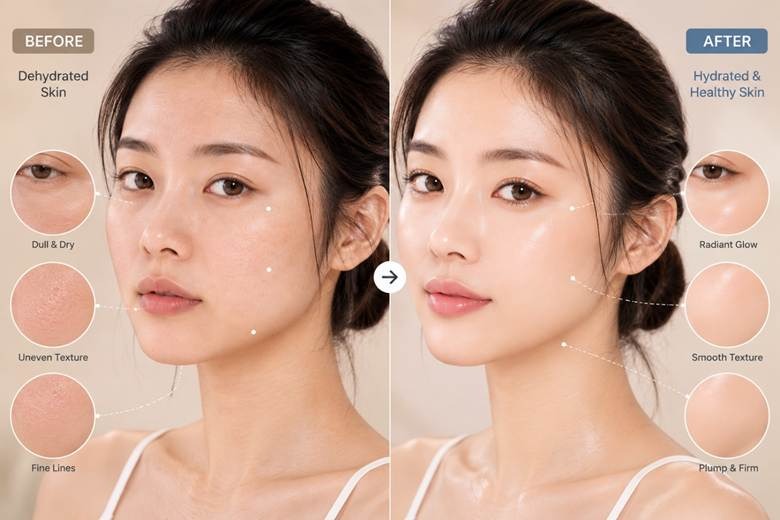
See real improvements in our Curenex Before and After guide, which explains what results to expect over time.
Frequently Asked Questions
Can dry skin become dehydrated?
Yes. People with dry skin can also lose water, resulting in both conditions at the same time.
Can oily skin be dehydrated?
Absolutely. Oily skin commonly becomes dehydrated after using harsh cleansers or acne treatments.
Does drinking more water cure dehydrated skin?
Drinking enough water helps overall health, but topical skincare and barrier repair are also important.
Which is easier to treat?
Dehydrated skin often improves within days or weeks with proper hydration. Dry skin usually requires long-term skincare because it is a skin type.
Is PDRN suitable for dehydrated skin?
PDRN-based skincare is often used to support skin repair, improve hydration, and enhance overall skin quality when included as part of a comprehensive skincare routine.


