
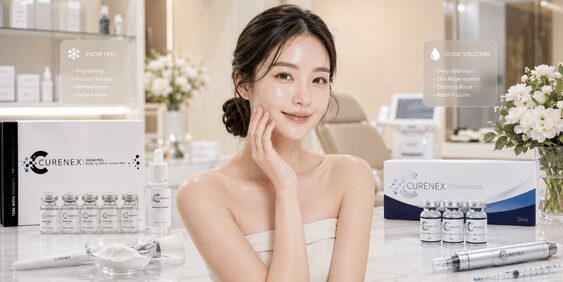
Chemical Peel vs. Skin Booster: Which Treatment Gives You Better Glass Skin?
The pursuit of glass skin has become one of the biggest trends in aesthetic medicine. Instead of simply covering imperfections with makeup, many people now want naturally smooth, hydrated, radiant, and healthy-looking skin that glows from within.
Among the most popular treatments for achieving this goal are chemical peels and skin boosters. While both improve skin quality, they work in very different ways. Chemical peels focus on resurfacing the outer layers of the skin, while skin boosters hydrate and regenerate the skin from within.
So which treatment is actually better for glass skin?
While both treatments can improve skin quality, understanding how they work will help you choose the right option for your skin goals. If you’re new to regenerative skincare, you may also want to read What Is PDRN? Benefits for Skin Rejuvenation, before deciding on a treatment.
The answer depends on your skin concerns, your goals, and how much downtime you’re willing to accept. In many cases, dermatologists even recommend combining both treatments in a carefully planned treatment program.
This guide explains the differences between chemical peels and skin boosters, their benefits, expected results, recovery time, and how Curenex Snow Peel and Curenex Glow Solution can help support healthier, brighter skin.
What Is “Glass Skin”?
“Glass skin” describes skin that appears as follows:
- Intensely hydrated
- Smooth and refined
- Even in tone
- Bright and luminous
- Nearly poreless
- Healthy from every angle
Contrary to popular belief, glass skin is not achieved by exfoliation alone. It requires several healthy skin functions working together, including:
- Strong skin barrier
- Good hydration
- Balanced oil production
- Healthy collagen production
- Even skin cell turnover
- Minimal inflammation
That is why professional treatments often focus on improving skin health instead of simply removing dead skin. Discover how Korean aesthetic clinics achieve that dewy, hydrated look on our article about “glass skin” treatments.
What Is a Chemical Peel?
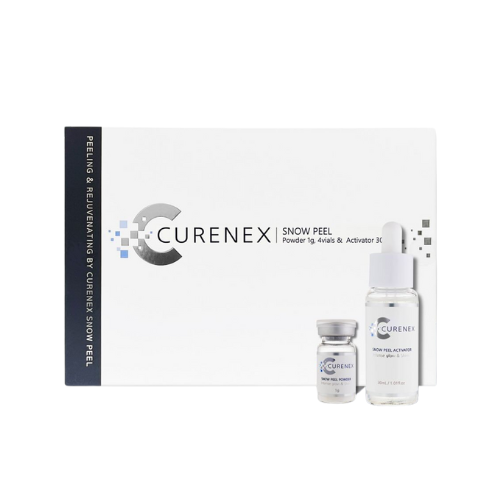
A chemical peel is a controlled exfoliation treatment that removes damaged surface skin cells using carefully formulated acids. Depending on its strength, a peel may only affect the epidermis or penetrate deeper into the skin.
Common ingredients include:
- Glycolic acid
- Lactic acid
- Salicylic acid
- Mandelic acid
- Trichloroacetic acid (TCA)
- Fruit acids (AHAs)
One modern option is Curenex Snow Peel, which combines gentle exfoliation with skin-conditioning ingredients to refresh dull skin while supporting skin renewal.
Unlike aggressive traditional peels, modern Korean peeling systems often focus on improving skin quality while minimizing unnecessary irritation.
What Is a Skin Booster?
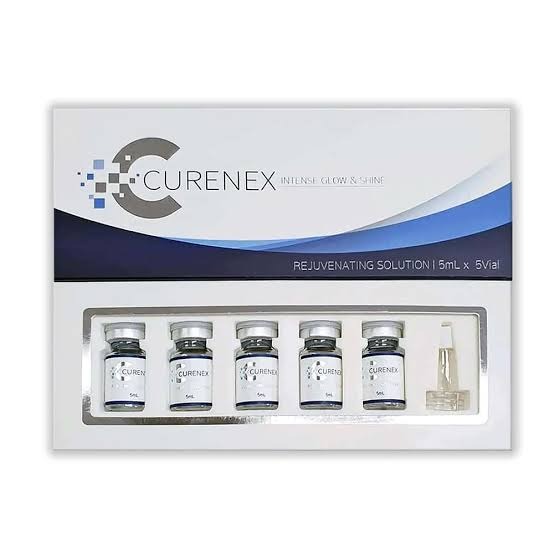
A skin booster is an injectable treatment that improves skin quality from within rather than removing the skin’s surface. Unlike dermal fillers, skin boosters do not add facial volume. Instead, they improve:
- Hydration
- Elasticity
- Skin barrier function
- Fine lines
- Overall skin texture
- Skin regeneration
One popular option is Curenex Glow Solution, a Korean skin booster formulated with PDRN (Polydeoxyribonucleotide), hyaluronic acid, peptides, amino acids, vitamins, and antioxidants that work together to support healthier-looking skin.
Instead of resurfacing the skin, skin boosters improve the environment inside the dermis where collagen, hydration, and tissue repair occur.
How It Works: The Difference Between Chemical Peels vs. Skin Boosters
Chemical peels work by accelerating natural skin cell turnover. After old skin cells are removed, the body replaces them with newer, healthier cells. Benefits of chemical peels include the following:
- Brighter complexion
- Smoother texture
- Less visible acne marks
- Improved pigmentation
- Reduced clogged pores
- Better absorption of skincare products
- Fresher overall appearance
Because the treatment targets the skin’s surface, results can often be seen relatively quickly.
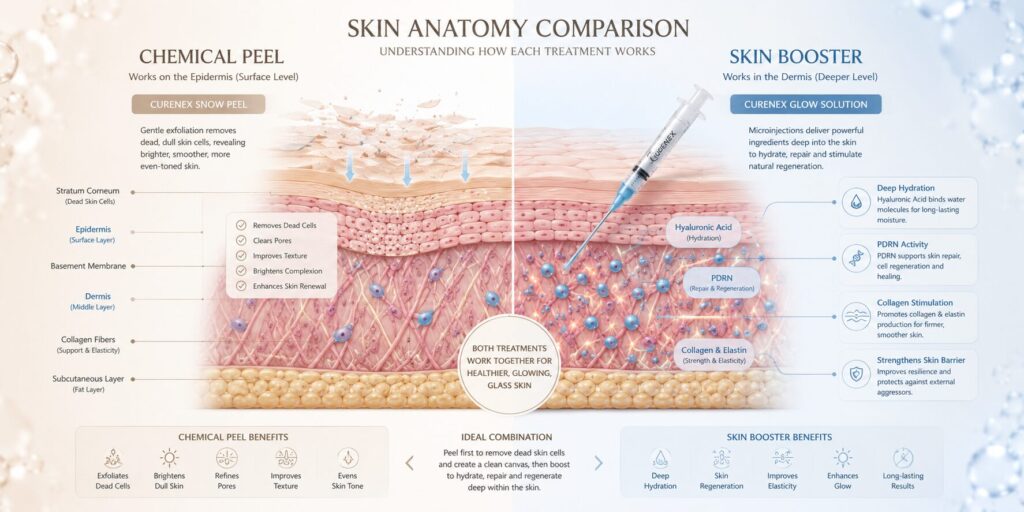
On the other hand, skin boosters hydrate the skin, producing a clear glow and radiance. Hydrated skin naturally reflects light more evenly. When moisture levels increase inside the skin, the complexion appears as follows:
- Softer
- Brighter
- More luminous
- More elastic
- Healthier
Learn more in our article about why hydration is the foundation of healthy skin.
PDRN-based skin boosters also encourage the skin’s natural repair processes. This combination of hydration and regeneration creates the dewy appearance associated with glass skin. And because skin boosters improve skin quality gradually, the results often look natural rather than dramatic.
Not sure whether your skin is actually dry or simply lacking water? Our article Dehydrated Skin vs. Dry Skin: Differences & Treatment explains how identifying the correct skin concern can improve treatment outcomes.
Comparing Chemical Peels vs. Skin Boosters
| Feature | Chemical Peel | Skin Booster |
| Primary goal | Surface exfoliation | Deep hydration |
| Works on | Epidermis | Dermis |
| Improves dullness | ✓ | ✓ |
| Improves hydration | Limited | Excellent |
| Fine lines | Moderate | Excellent |
| Acne scars | Good | Moderate |
| Skin texture | Excellent | Excellent |
| Pigmentation | Excellent | Moderate |
| Collagen support | Moderate | Strong |
| Downtime | Mild to moderate | Minimal |
| Best for glass skin | Partial | Excellent |
Although both treatments improve skin quality, they target different aspects of skin health.
When a Chemical Peel Is the Better Choice
Chemical peels may be ideal if your primary concern is damaged surface skin. They are especially helpful for the following:
- Sun damage
- Rough skin texture
- Uneven pigmentation
- Acne marks
- Mild acne
- Enlarged pores
- Dull complexion
Because they remove damaged skin cells, peels can produce visible brightness after only one treatment. Also, patients preparing for a special event sometimes choose light peels because they offer relatively fast improvements in skin radiance.
When a Skin Booster Is the Better Choice
Skin boosters may be a better option when your skin lacks hydration and elasticity. They work well for individuals experiencing:
- Dehydrated skin
- Fine lines
- Early aging
- Loss of glow
- Poor skin elasticity
- Rough texture
- Sensitive skin
- Thin skin
Rather than creating temporary brightness through exfoliation alone, skin boosters help improve the skin’s long-term health. Moreover, for many patients seeking the signature Korean glass skin look, hydration often becomes the missing piece.
Can You Combine Chemical Peels and Skin Boosters?
Yes, definitely. Many aesthetic clinics combine both treatments because they complement each other. A simplified treatment plan might look like this:
- Perform a gentle chemical peel to remove dead skin cells.
- Allow the skin to recover.
- Follow with a skin booster treatment.
- Repeat according to your provider’s recommendations.
This approach allows the freshly exfoliated skin to better benefit from improved hydration and tissue regeneration. However, the timing between treatments is important. For instance, injectable skin boosters should never be administered immediately after an aggressive peel unless advised by a qualified medical professional.
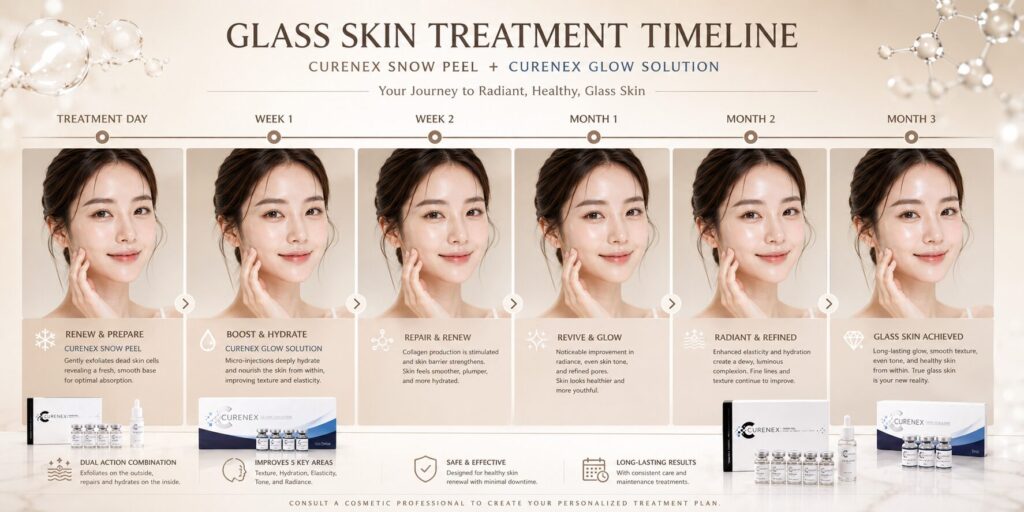
Curenex Snow Peel vs Curenex Glow Solution
Curenex Snow Peel
Curenex Snow Peel focuses on improving the skin’s surface. Benefits include the following:
- Gentle exfoliation
- Brighter complexion
- Improved skin texture
- Reduced dullness
- Better skincare absorption
- More even skin tone
It is well suited for people who want smoother-looking skin without undergoing a harsh resurfacing procedure. Find out more in our article about Curenex Snow Peel’s benefits, ingredients, and result timeline.
Curenex Glow Solution
Curenex Glow Solution focuses on improving skin health beneath the surface. Its ingredients support:
- Deep hydration
- Skin regeneration
- Improved elasticity
- Collagen support
- Healthy skin barrier
- Long-lasting glow
Instead of removing skin layers, it helps optimize the skin’s natural repair mechanisms.
Recovery Comparison
After a Chemical Peel
Depending on the peel strength, patients may notice the following:
- Mild redness
- Tightness
- Flaking
- Peeling
- Temporary dryness
Recovery usually ranges from a few days to about one week for superficial peels. Also, sun protection is especially important during healing because fresh skin is more sensitive to UV exposure.
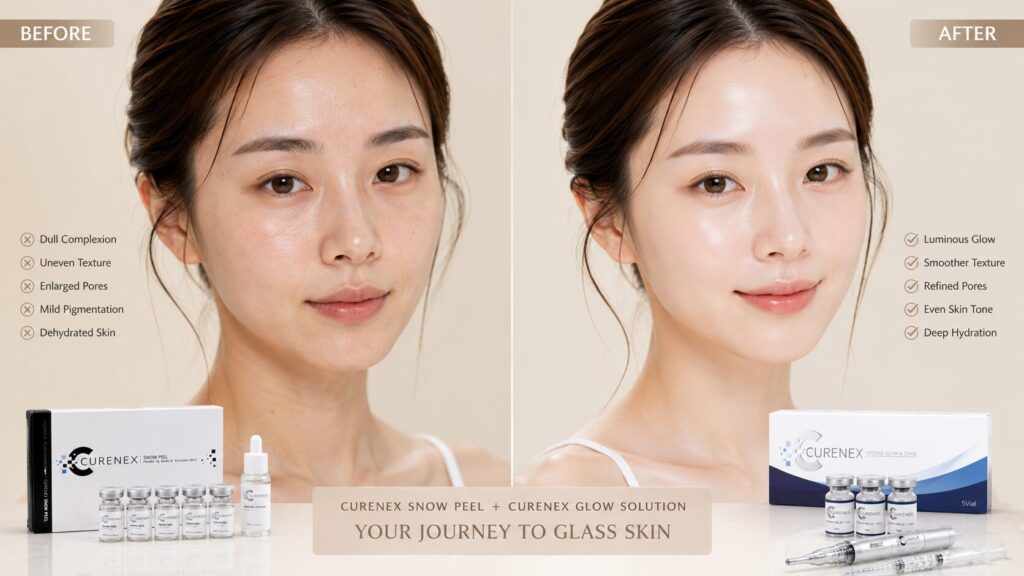
After a Skin Booster
Recovery is generally quicker. Patients may also experience the following:
- Small injection marks
- Mild redness
- Temporary swelling
- Minor tenderness
Most visible effects improve within one to three days. And many individuals return to normal activities shortly after treatment. Although strenuous exercise and excessive heat are typically avoided for the first day.
Which Lasts Longer: Chemical Peel or Skin Boosters?
Chemical peel results depend on ongoing skin cell turnover. As new skin continues to age, maintenance treatments are usually recommended every few weeks or months depending on the peel type.
Skin boosters often provide gradual improvements that can last several months after completing an initial treatment series. Many providers recommend maintenance sessions every few months to help preserve hydration and skin quality.
Because the treatments work differently, longevity is influenced by skincare habits, sun exposure, age, and lifestyle.
Who Should Choose Each Treatment?
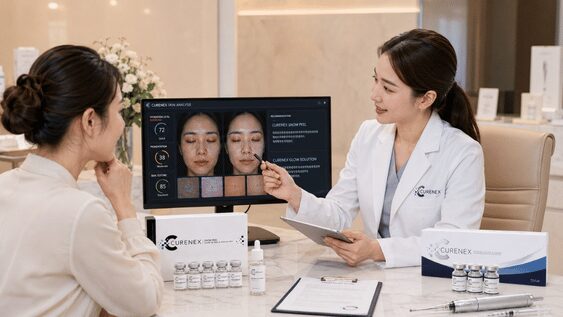
Choose a Chemical Peel if you have the following:
- Acne marks
- Pigmentation
- Rough skin texture
- Clogged pores
- Dull skin
- Sun damage
Choose a Skin Booster if you have the following:
- Dehydrated skin
- Fine lines
- Early aging
- Sensitive skin
- Poor elasticity
- Loss of natural glow
Consider Both if you want:
- Korean glass skin
- Long-term skin health
- Brighter complexion
- Better hydration
- Improved texture
- More radiant skin
Daily Skincare Still Matters
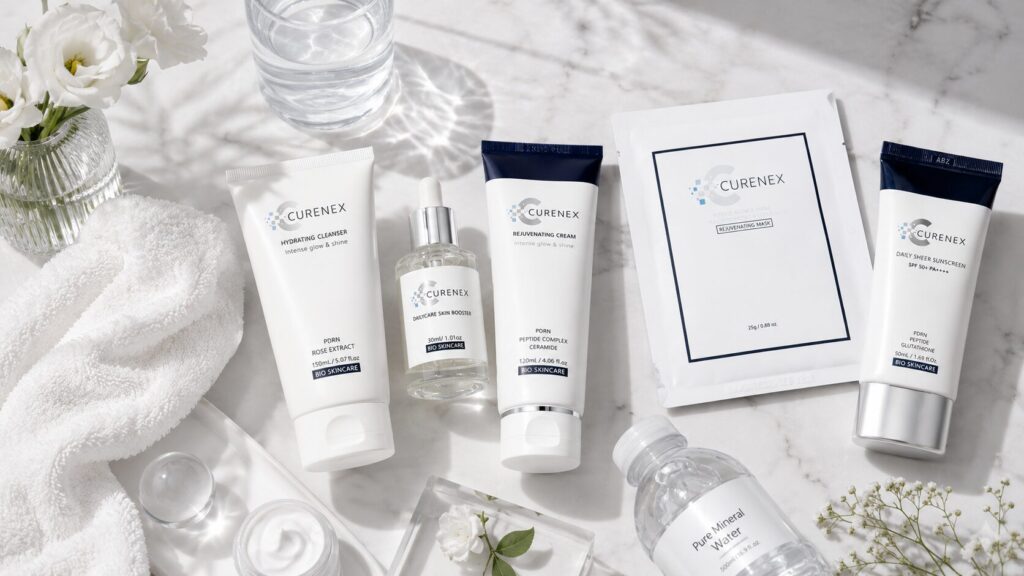
Professional treatments work best when supported by consistent home care. You can maintain results by using the products below:
- Gentle cleanser
- Hydrating serum
- Moisturizer
- Broad-spectrum sunscreen
- Antioxidant products
- Adequate water intake
Daily UV protection remains one of the most important habits for preserving brighter, healthier skin after both chemical peels and skin booster treatments.
Final Thoughts
Both chemical peels and skin boosters can contribute to healthier, more radiant skin, but they achieve those results in different ways. Chemical peels primarily improve the skin’s surface by removing damaged cells and encouraging fresh skin renewal, making them an excellent choice for concerns such as dullness, uneven tone, and superficial pigmentation. Skin boosters, on the other hand, focus on restoring hydration and supporting the skin from within, helping improve elasticity, fine lines, and overall skin quality over time.
For many people seeking the coveted Korean-inspired glass skin look, the most effective approach is not choosing one treatment over the other but understanding when each is most beneficial. A gentle resurfacing treatment such as Curenex Snow Peel can prepare the skin by improving texture and brightness, while Curenex Glow Solution can replenish hydration and support long-term skin regeneration. Together, when incorporated into a personalized treatment plan by a qualified provider, they can complement each other and contribute to smoother, healthier, and naturally luminous skin.
Frequently Asked Questions
Can I get a skin booster immediately after a chemical peel?
Not usually. Your provider will typically allow the skin to recover before performing injectable treatments. The waiting period depends on the strength of the peel and your skin’s healing response.
Which treatment gives faster results?
A chemical peel often provides quicker improvements in brightness because it removes dull surface cells. Skin boosters usually develop more gradually as hydration and tissue repair improve over several weeks.
Is a skin booster better than a chemical peel?
Neither treatment is universally better. Chemical peels excel at resurfacing and treating pigmentation, while skin boosters focus on hydration, elasticity, and overall skin quality. The best choice depends on your individual concerns.
Can sensitive skin tolerate these treatments?
Many people with sensitive skin can undergo either treatment when it is tailored to their skin type. Gentle options such as Curenex Snow Peel and carefully administered Curenex Glow Solution may be appropriate, but treatment should always be guided by a qualified medical professional.
How many sessions are needed for glass skin?
Most people benefit from a series of treatments rather than a single session. The exact number varies based on skin condition, treatment type, and individual goals.


