
Why Collagen Production Slows After 25: Causes, Signs, and How to Support Healthier Skin
Collagen is one of the most important proteins in the body. It gives skin its strength, firmness, elasticity, and smooth texture. When collagen levels are high, skin appears youthful, hydrated, and resilient. As collagen production naturally declines, fine lines become more noticeable, skin loses firmness, and recovery from daily environmental damage takes longer.
Many people are surprised to learn that collagen production begins slowing much earlier than expected. Around the age of 25, the body’s natural collagen synthesis gradually decreases each year. Although this decline is completely normal, several lifestyle and environmental factors can speed up the process.
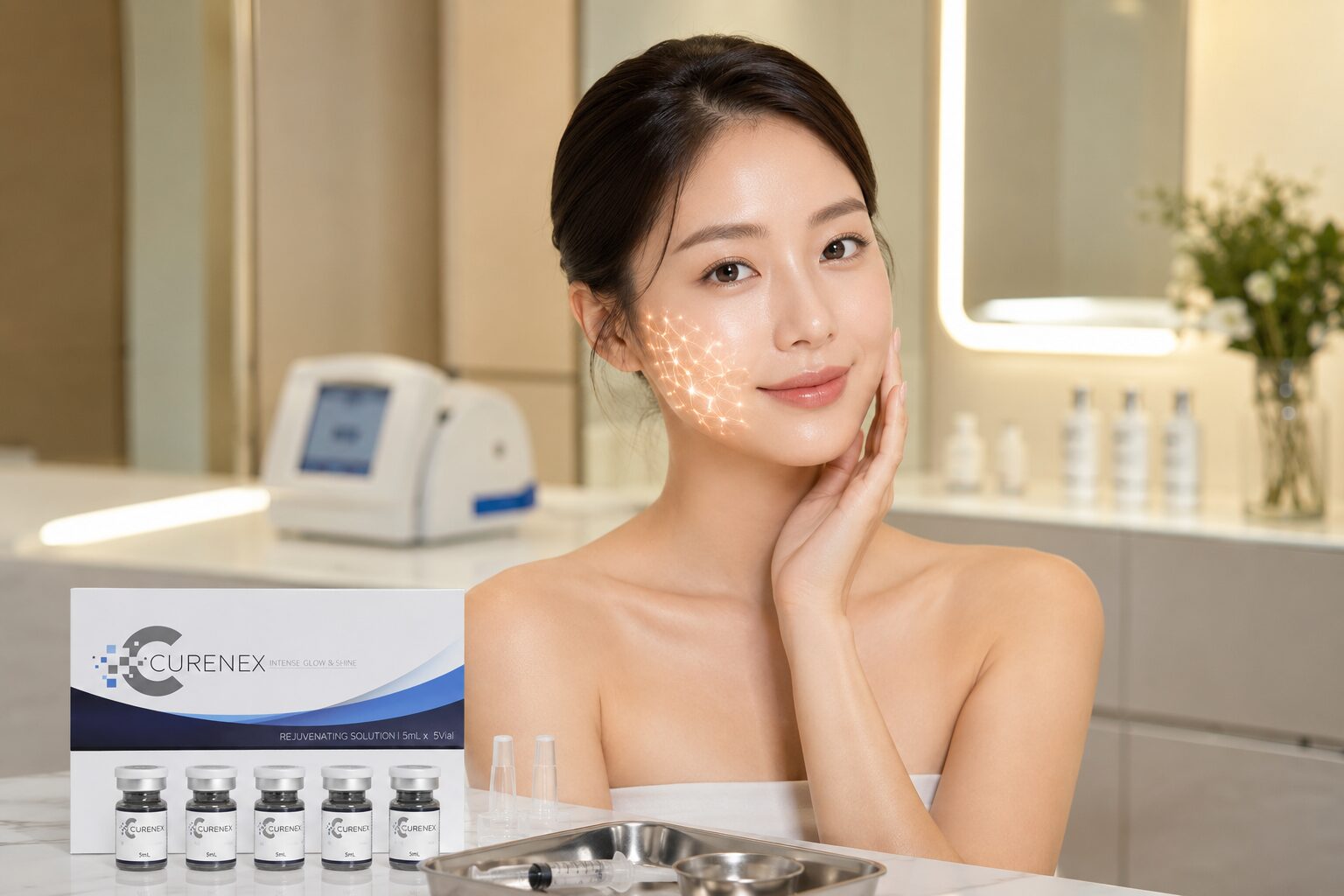
Fortunately, modern skincare, healthy habits, and regenerative aesthetic treatments can help support healthier-looking skin. Products containing PDRN (Polydeoxyribonucleotide), such as Curenex Glow Solution, have become increasingly popular because they focus on supporting the skin’s natural repair processes rather than simply masking visible aging.
In this guide, we’ll explain why collagen production slows after age 25, what happens beneath the skin, what accelerates collagen breakdown, and how you can help maintain firmer, healthier skin for years to come.
What Is Collagen?
Collagen is the most abundant structural protein in the human body. It serves as the framework that supports the skin, bones, muscles, tendons, ligaments, and connective tissues.
Inside the skin, collagen is primarily located within the dermis, the middle layer beneath the epidermis. Fibroblast cells continuously produce collagen fibers that form a supportive network beneath the skin’s surface. This network keeps skin firm while allowing it to stretch and return to its original shape.
Healthy collagen provides several important benefits:
- Maintains skin firmness
- Improves elasticity
- Supports skin hydration
- Reduces wrinkle formation
- Helps repair damaged tissues
- Strengthens the skin barrier
- Supports overall skin texture
When collagen production slows, the skin’s supportive framework gradually weakens. This process leads to many of the visible signs commonly associated with aging.
Maintaining healthy collagen also depends on a strong skin barrier that retains moisture and protects against environmental damage. Learn more in How to Repair a Damaged Skin Barrier with Curenex.
Why Does Collagen Production Slow After Age 25?
Around the mid-twenties, the body’s natural regenerative processes begin to slow. Fibroblast activity gradually decreases, meaning fewer new collagen fibers are produced each year. Researchers estimate that adults lose approximately 1% of their collagen annually after age 25, although the exact rate varies depending on genetics and lifestyle.
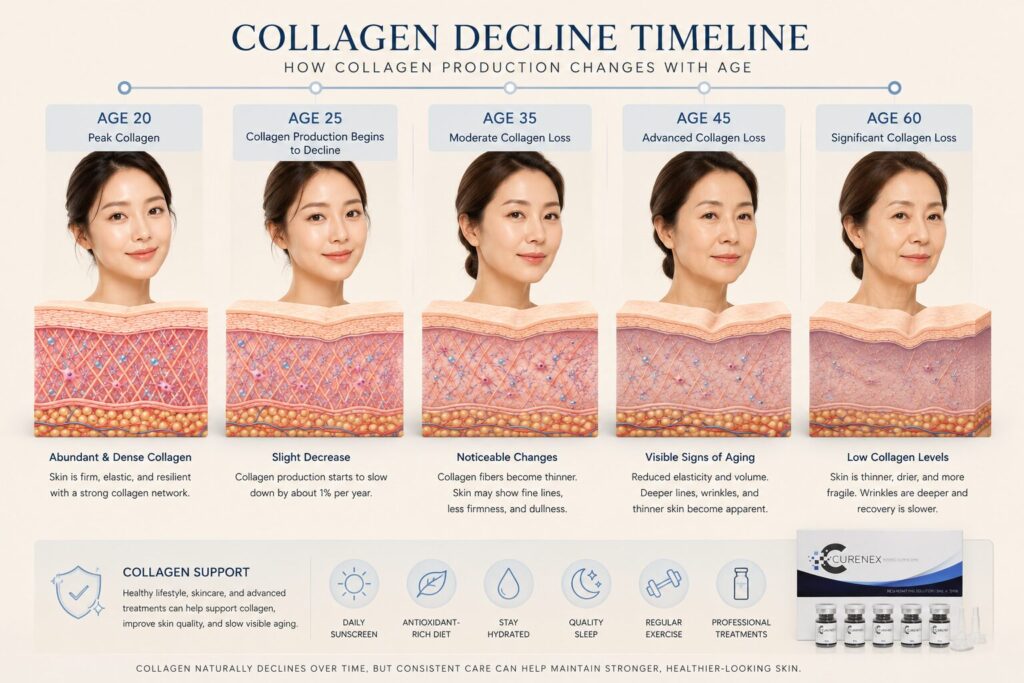
Several biological changes contribute to this decline.
- Reduced Fibroblast Activity
Fibroblasts are specialized skin cells responsible for producing collagen, elastin, and hyaluronic acid. As these cells age, they become less efficient at creating new collagen fibers.
The existing collagen network also becomes more fragmented over time, making it harder for the skin to maintain its youthful structure.
- Hormonal Changes
Hormones strongly influence collagen production throughout life.
Estrogen plays a particularly important role in stimulating collagen synthesis. As hormone levels fluctuate with age, collagen production naturally decreases. This decline becomes even more noticeable during menopause when estrogen levels fall significantly.
Men also experience slower collagen production over time due to gradual hormonal changes.
- Cellular Aging
Every cell in the body experiences gradual aging.
As skin cells divide repeatedly over many years, they accumulate damage from oxidative stress, inflammation, and environmental exposure. Older fibroblasts simply cannot manufacture collagen as efficiently as younger ones.
This natural aging process affects everyone, regardless of skincare routine.
What Happens Beneath the Skin?
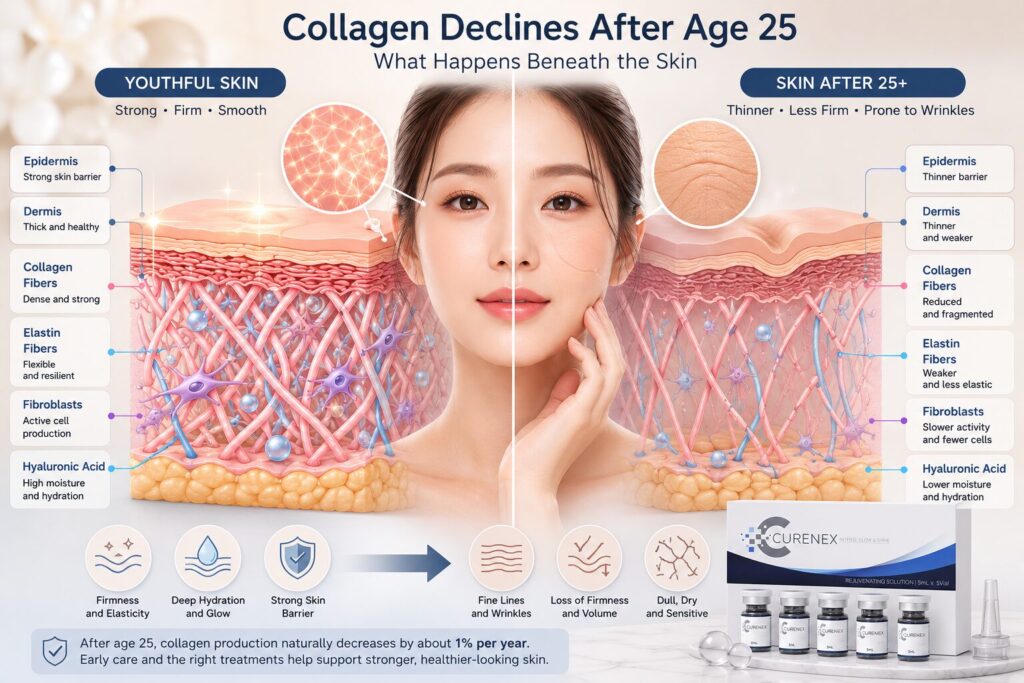
As collagen declines, several structural changes occur inside the dermis.
The collagen fibers become thinner and less organized. Elastin fibers also weaken, reducing the skin’s ability to bounce back after movement. According to the U.S. National Institute on Aging, aging skin gradually becomes thinner, less elastic, and more fragile due to reductions in collagen, elastin, and other structural components.
Meanwhile, natural hyaluronic acid levels decrease, leading to lower moisture retention.
These combined changes result in:
- Thinner skin
- Reduced elasticity
- Increased dryness
- Slower healing
- More visible fine lines
- Less facial volume
- Rougher skin texture
These changes happen gradually over many years, which is why preventive skincare often produces better long-term results than waiting until signs of aging become severe.
Factors That Speed Up Collagen Loss
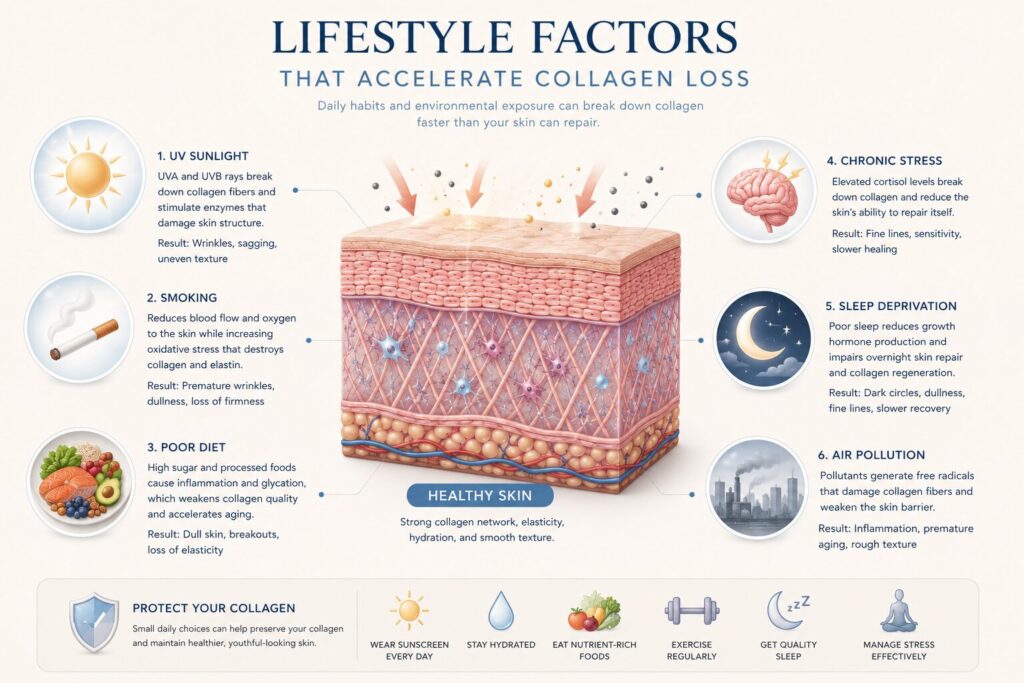
Although aging is unavoidable, many everyday habits accelerate collagen breakdown.
- Sun Exposure
Ultraviolet (UV) radiation is the leading external cause of premature collagen loss. Studies have shown that ultraviolet (UV) radiation activates matrix metalloproteinases (MMPs), enzymes that accelerate collagen degradation and contribute to photoaging. This process contributes to wrinkles, sagging, uneven pigmentation, and rough texture.
Daily sunscreen remains one of the most effective ways to preserve collagen.
- Smoking
Smoking significantly reduces oxygen delivery to skin tissues while increasing oxidative stress. Nicotine also constricts blood vessels, limiting nutrient delivery to fibroblasts. Over time, collagen production slows while collagen degradation accelerates.
This combination often causes deeper wrinkles and dull skin at an earlier age.
- Poor Nutrition
Collagen production depends on adequate nutrients. The body requires the following nutrients:
- Vitamin C
- Zinc
- Copper
- Protein
- Amino acids
- Iron
Poor dietary intake may reduce the skin’s ability to synthesize healthy collagen. Therefore, eating a balanced diet rich in fruits, vegetables, lean protein, and healthy fats supports long-term skin health.
- Chronic Stress
Long-term stress increases cortisol production. Elevated cortisol can reduce collagen synthesis while increasing inflammation throughout the body. Chronic stress may also impair sleep quality, further limiting nighttime skin repair.
Managing stress through exercise, meditation, or adequate rest benefits both overall health and skin quality.
- Sleep Deprivation
Most skin repair occurs during sleep. Poor sleep reduces growth hormone release and limits cellular repair mechanisms. Over time, inadequate sleep may contribute to dull skin, slower healing, and accelerated aging.
Adults should generally aim for seven to nine hours of quality sleep each night.
- Pollution
Air pollution exposes the skin to free radicals that damage collagen fibers. Fine particulate matter can trigger oxidative stress and chronic inflammation, weakening the skin barrier and accelerating visible aging.
Daily cleansing and antioxidant skincare may help reduce environmental damage.
Early Signs That Collagen Levels Are Declining
Many early signs appear gradually. You may notice the signs and symptoms below:
- Fine lines around the eyes
- Forehead wrinkles
- Smile lines becoming deeper
- Mild skin laxity
- Less facial volume
- Drier skin
- Rougher texture
- Slower recovery after cosmetic procedures
- More visible pores
- Makeup settling into fine lines
Recognizing these changes early allows individuals to adopt preventive skincare strategies before collagen loss becomes more advanced.
Can You Naturally Boost Collagen Production?
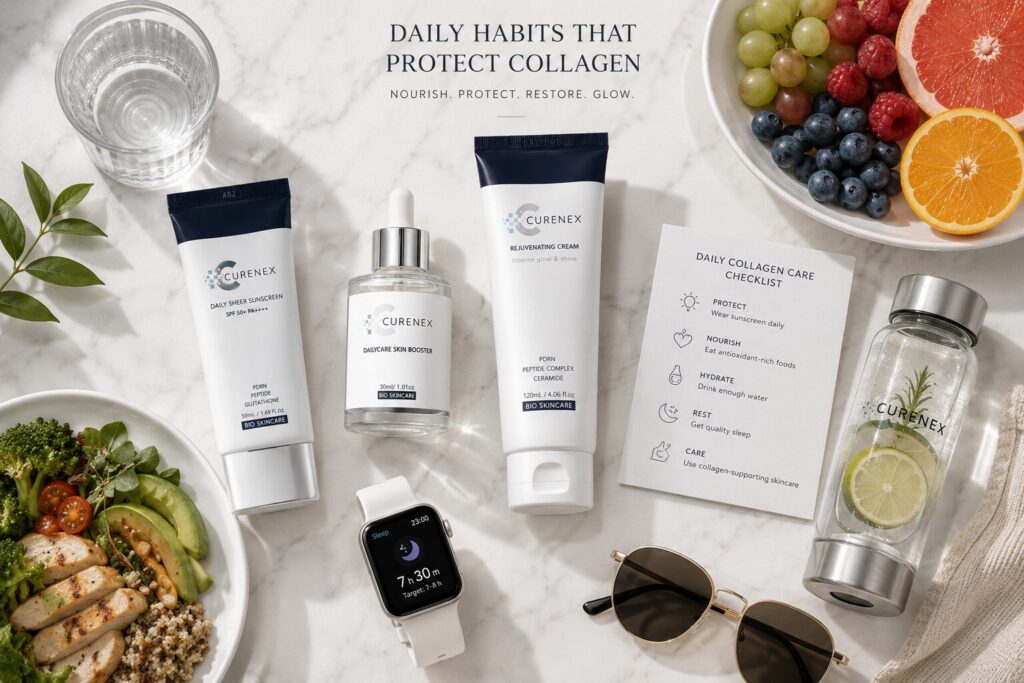
While no treatment completely stops aging, several habits help support healthy collagen production. Hence, the aging process may slow down, and collagen production is gradually maintained at levels to keep the skin healthy.
- Eat More Collagen-Supporting Foods
Foods rich in vitamin C, antioxidants, and amino acids provide essential building blocks for collagen synthesis. Examples include:
- Citrus fruits
- Bell peppers
- Leafy greens
- Fish
- Eggs
- Chicken
- Bone broth
- Berries
- Nuts
- Seeds
A balanced diet supports both skin repair and overall health.
- Wear Sunscreen Every Day
Daily SPF 30 or higher protects existing collagen from UV damage. Even on cloudy days, ultraviolet radiation penetrates the skin and contributes to premature aging. Consistent sunscreen use remains one of the simplest and most effective anti-aging habits. Learn more about proper sun protection in Why Sunscreen Is Essential After Skin Booster Treatments.
- Exercise Regularly
Moderate exercise improves circulation, delivering oxygen and nutrients to skin cells. A better blood flow supports healthier fibroblast function and overall skin regeneration. Regular physical activity also reduces stress, indirectly benefiting collagen production.
- Stay Hydrated
Proper hydration helps maintain skin elasticity and barrier function. Although drinking water alone doesn’t create collagen, hydrated skin appears healthier and functions more efficiently.
How PDRN Supports Skin Regeneration Via Curenex Glow Solution
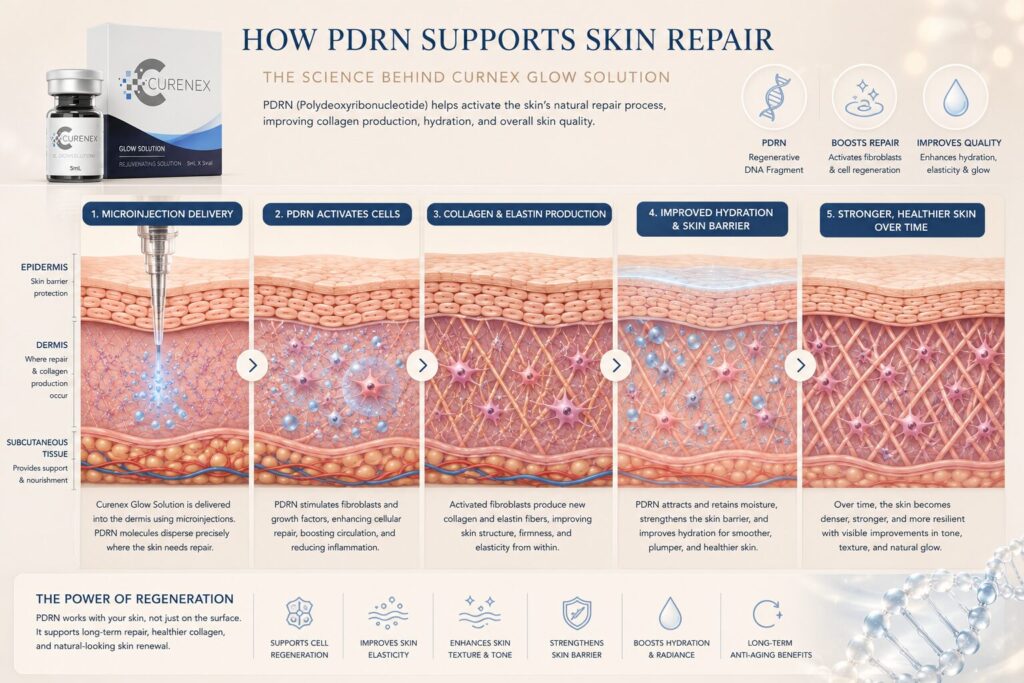
Unlike treatments that only target surface hydration, PDRN (Polydeoxyribonucleotide) focuses on supporting the skin’s natural repair processes. PDRN has also gained popularity in Korean aesthetic medicine because it promotes an environment that supports tissue regeneration, collagen remodeling, and improved skin quality. Rather than acting as a filler, PDRN encourages healthier cellular activity inside the dermis. This is why regenerative treatments have become increasingly popular for individuals seeking gradual, natural-looking skin improvement.
Furthermore, as collagen production naturally slows, many patients seek treatments that complement the skin’s own regenerative processes.
Curenex Glow Solution is a Korean PDRN skin booster designed to improve overall skin quality by supporting hydration, tissue repair, and healthier-looking skin. Its formulation combines PDRN with ingredients that work together to improve skin vitality while enhancing moisture retention. Potential benefits include the following:
- Improved skin hydration
- Better skin texture
- Healthier-looking glow
- Support for collagen remodeling
- Improved skin elasticity
- Reduced appearance of fine lines
- Faster recovery following aesthetic procedures
- Enhanced overall skin quality
Because results develop gradually, treatment is typically performed as a series over several sessions according to a qualified medical professional’s recommendations.
Can Chemical Peels and PDRN Work Together?
Collagen-supporting treatments are often combined. For example, superficial chemical peels remove damaged surface cells, while regenerative treatments like Curenex Snow Peel help refresh the skin’s surface.
After appropriate healing, PDRN treatments such as Curenex Glow Solution may be incorporated to support skin recovery and overall rejuvenation. This layered approach allows practitioners to address both surface texture and deeper skin quality while tailoring treatment plans to individual skin concerns.
Lifestyle Habits That Help Preserve Collagen
Supporting collagen isn’t only about cosmetic procedures. Daily habits make a significant long-term difference. Consider these practices for healthier and consistent lifestyle habits:
- Apply sunscreen every morning.
- Wear protective clothing outdoors.
- Avoid smoking.
- Limit excessive alcohol intake.
- Eat antioxidant-rich foods.
- Sleep seven to nine hours nightly.
- Stay hydrated.
- Maintain a consistent skincare routine.
- Manage stress levels.
- Schedule professional skin assessments when appropriate.
Small habits performed consistently often produce better long-term skin health than occasional intensive treatments.
Is It Ever Too Late to Support Collagen?
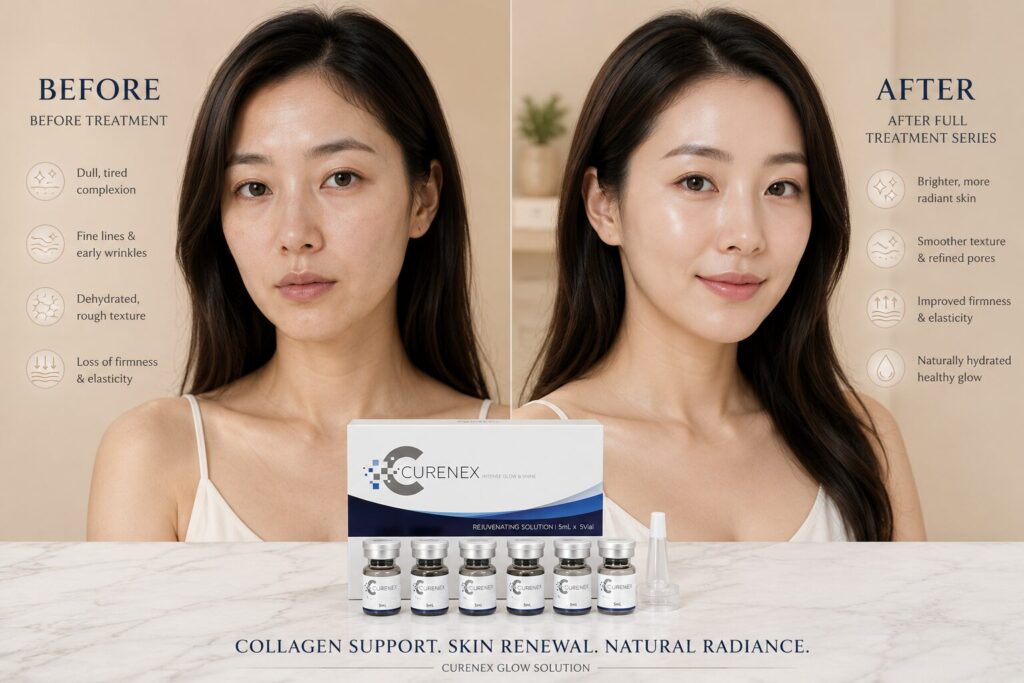
Not at all.
Although collagen production naturally slows with age, the skin continues responding to healthy lifestyle habits and regenerative treatments throughout adulthood. Many individuals begin preventive skincare in their twenties, while others seek professional treatments in their thirties, forties, or beyond. The goal isn’t to stop aging but to help maintain healthier, stronger, and more resilient skin as naturally as possible.
Working with an experienced aesthetic practitioner allows treatments to be customized according to individual skin concerns, age, and overall goals.
Final Thoughts
Collagen production naturally slows after age 25, but that doesn’t mean skin health is beyond your control. Aging is influenced by a combination of genetics, lifestyle, environmental exposure, and daily skincare habits. While the body’s collagen synthesis gradually declines, consistent healthy choices can help preserve the collagen you already have and support your skin’s natural repair processes.
Daily sunscreen use, a nutrient-rich diet, quality sleep, stress management, and proper hydration all contribute to healthier skin over time. Professional regenerative treatments can further complement these habits by supporting the skin from within rather than simply masking visible signs of aging.
For those seeking advanced skin rejuvenation, Curenex Glow Solution offers a modern PDRN-based approach that supports hydration, tissue repair, and healthier-looking skin. Combined with treatments like Curenex Snow Peel and a personalized skincare routine, it can become part of a comprehensive strategy for maintaining smoother, firmer, and more radiant skin as collagen naturally changes with age.
Frequently Asked Questions
At what age does collagen production start declining?
Collagen production typically begins gradually declining around age 25. Most adults lose roughly 1% of collagen each year, although genetics and lifestyle influence the rate.
Can collagen creams replace lost collagen?
Most collagen molecules are too large to penetrate deeply into the skin. Moisturizers containing collagen primarily improve surface hydration rather than replacing collagen within the dermis.
Does sunscreen really preserve collagen?
Yes. Daily sunscreen helps reduce UV-induced collagen breakdown, making it one of the most effective long-term anti-aging habits.
Can PDRN replace collagen injections?
No. PDRN does not replace collagen. Instead, it supports the skin’s natural repair environment and collagen remodeling through regenerative mechanisms.
Is prevention better than correction?
Generally, yes. Maintaining healthy skincare habits before significant collagen loss occurs often leads to better long-term skin quality than attempting to reverse advanced aging later.


