

Curenex for Acne Scars: Can PDRN Improve Skin Texture and Smooth Uneven Skin?
Acne may eventually clear, but the scars it leaves behind often remain for years. Many people struggle with uneven skin texture, shallow depressions, enlarged pores, and lingering redness long after active breakouts have disappeared. These skin changes can be difficult to treat because they involve damage to collagen and the deeper layers of the skin rather than the surface alone.
Traditional acne scar treatments such as microneedling, laser resurfacing, and chemical peels remain popular options. However, many aesthetic professionals now combine these procedures with regenerative skin boosters to improve healing and optimize results. One treatment that has attracted significant attention is Curenex, a Korean PDRN-based skin rejuvenation solution designed to support tissue repair and collagen production.
But can Curenex actually improve acne scars? The answer depends on the type of scar, the severity of the damage, and the treatment plan. While PDRN is not a replacement for scar-removing procedures, growing research suggests it may help improve skin quality, accelerate healing after aesthetic treatments, and gradually enhance skin texture over time.
This guide explains how acne scars form, how PDRN works inside the skin, what current evidence says, what results you can realistically expect, and why Curenex is increasingly combined with procedures such as microneedling and laser treatments.
What Causes Acne Scars?
Acne scars develop when inflammation damages the skin’s collagen network. During severe acne, the body attempts to repair injured tissue, but the healing process is not always balanced. Too little collagen creates depressed scars, while excessive collagen can produce raised scars.
Several factors influence whether acne leaves permanent marks, including the severity of inflammation, genetics, delayed treatment, frequent picking, and repeated breakouts.
The most common acne scar types include:
- Ice pick scars
- Boxcar scars
- Rolling scars
- Enlarged pores
- Post-inflammatory redness
- Post-inflammatory hyperpigmentation
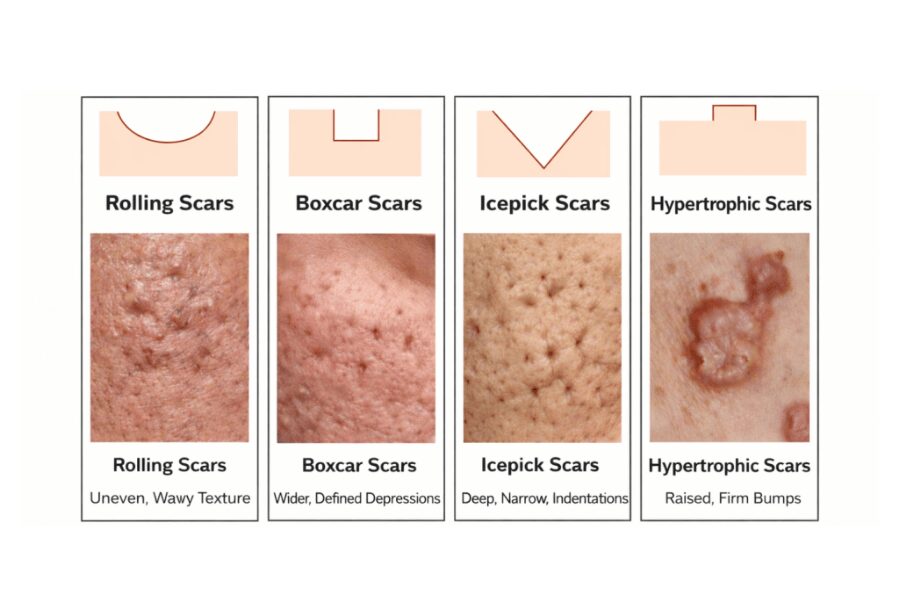
Among these, atrophic acne scars—including rolling, boxcar, and ice pick scars—are the most difficult to treat because they involve collagen loss beneath the skin.
Since Curenex focuses on supporting tissue regeneration rather than physically removing damaged tissue, it is generally considered most useful as part of a comprehensive scar treatment plan instead of a standalone solution.
What Is Curenex?
Curenex is a Korean regenerative skin booster formulated with Polydeoxyribonucleotide (PDRN) together with ingredients that support hydration, skin repair, and overall rejuvenation.
Rather than simply adding moisture, Curenex aims to create a healthier environment for skin recovery after injury or aesthetic procedures. Discover more about Curenex PDRN in our guide to Korean Mesotherapy with Curenex Glow Solution.
Its formula is commonly used to help improve:
- Uneven skin texture
- Fine lines
- Dull skin
- Mild acne scars
- Dehydrated skin
- Skin elasticity
- Overall skin quality
Unlike traditional dermal fillers, Curenex does not create volume. Instead, it works by encouraging healthier skin regeneration from within.
How Does PDRN Help Acne Scars?
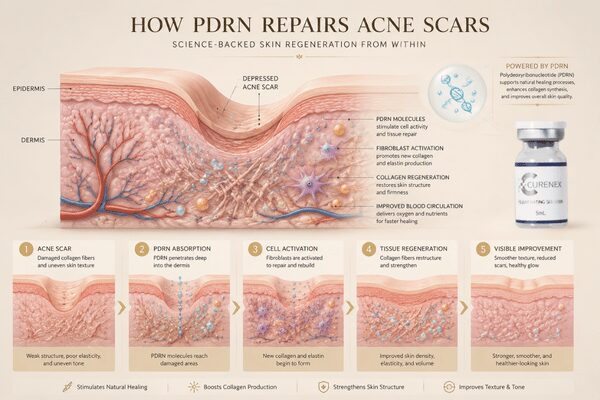
PDRN or salmon DNA is derived from purified DNA fragments and has been widely studied for tissue repair and wound healing. Once introduced into the skin, PDRN supports several biological processes that contribute to healthier skin regeneration.
These include stimulation of fibroblast activity, improved collagen synthesis, enhanced microcirculation, reduced inflammation, and faster recovery following controlled skin injury. Experimental and clinical studies suggest that activation of adenosine A2A receptors plays an important role in these regenerative effects, although research specific to acne scar treatment continues to evolve.
For acne scar patients, these effects may translate into:
- Better collagen remodeling
- Healthier skin healing
- Improved skin elasticity
- Gradual softening of shallow scars
- Smoother skin texture
- More even skin tone
Instead of filling scars instantly, PDRN supports the body’s natural repair process, which is why improvements appear gradually over multiple treatment sessions.
Why Collagen Matters in Acne Scar Repair
Healthy collagen acts like the framework that supports smooth skin. When acne destroys collagen fibers, the skin surface collapses, creating visible depressions.
Many professional acne scar treatments intentionally create controlled micro-injuries to stimulate new collagen production. Examples include:
- Microneedling
- Fractional laser resurfacing
- Radiofrequency microneedling
- Subcision
- Chemical peels
The body repairs these controlled injuries by producing fresh collagen over several weeks or months.
Curenex complements this process by supporting an environment that favors efficient tissue repair. While it does not replace collagen-inducing procedures, it may enhance the skin’s ability to recover following these treatments.
Which Acne Scars Respond Best to Curenex?
Not every scar responds equally.
- Mild Rolling Scars
Rolling scars often respond well because they result from moderate collagen loss beneath the skin. Improved collagen remodeling may gradually soften their appearance.
- Shallow Boxcar Scars
Shallow boxcar scars may become less noticeable after several treatment sessions, particularly when Curenex is combined with microneedling.
- Enlarged Pores
Patients often report smoother-looking pores as collagen production improves skin firmness around the follicle.
- Uneven Skin Texture
Many people notice smoother skin texture even before deeper scars begin improving.
- Post-Acne Redness
The regenerative and anti-inflammatory properties of PDRN may help calm lingering redness while supporting healthier healing.
- Deep Ice Pick Scars
Deep ice pick scars generally require procedures such as TCA CROSS, punch excision, or laser resurfacing. Curenex alone is unlikely to produce dramatic correction for these scars.
Acne scars often damage the skin barrier, making it a catalyst for the appearance of other signs of aging. After professional treatments to target the main issue of deep-seated scars, it is always best to maintain a smoother texture. Discover through our comprehensive guide how to repair a damaged skin barrier for a better understanding of the aftercare process.
Combining Curenex with Microneedling
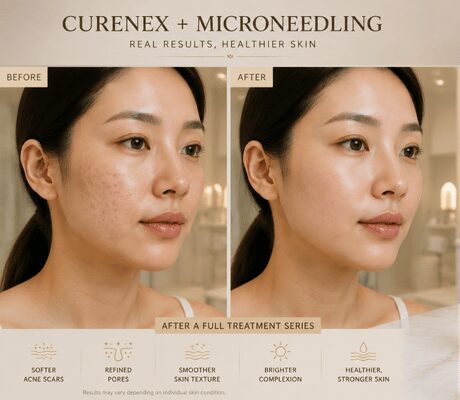
Microneedling is one of the most common partners for Curenex therapy. Tiny sterile needles create microscopic channels within the skin. These channels stimulate collagen production while also allowing regenerative ingredients to penetrate more effectively.
Many aesthetic clinics administer Curenex immediately after microneedling because freshly created microchannels may improve product delivery into the treated skin.
Potential advantages include the following:
- Faster skin recovery
- Reduced post-treatment inflammation
- Enhanced hydration
- Improved collagen remodeling
- Better skin texture over time
- Healthier overall healing response
Because every patient’s skin heals differently, treatment protocols should always be customized by a qualified medical professional. Learn how to use Curenex with microneedling for maximum results
Can Curenex Be Combined with Laser Treatments?
Yes. Fractional laser resurfacing remains one of the most effective options for moderate acne scars.
Laser treatments intentionally create controlled thermal injury that stimulates collagen remodeling. During the healing phase, the skin works to rebuild stronger connective tissue.
Some practitioners incorporate PDRN treatments during recovery because regenerative ingredients may support wound healing and improve overall skin quality.
Patients often appreciate:
- Reduced downtime
- Improved hydration
- Healthier skin barrier recovery
- Enhanced comfort during healing
- Better long-term skin quality
The exact timing depends on the type of laser used and the treating provider’s protocol.
What Results Can You Expect?
One of the most important things to understand is that acne scar improvement happens gradually. Unlike fillers, which create immediate volume, collagen remodeling requires time.
A typical treatment progression may look like this:
Treatment Day
Curenex is administered through mesotherapy or combined with procedures such as microneedling. Mild redness and tiny injection marks are common.
Days 1–3
Most redness begins fading. The skin often feels hydrated and calmer.
Week 2
Early improvements in skin radiance and hydration become noticeable.
Weeks 4–8
Collagen remodeling gradually begins. Skin texture may appear smoother while shallow scars slowly soften.
Months 2–3
Many patients notice improved elasticity, healthier skin tone, and more refined texture.
Months 4–6
Results continue developing as collagen matures. Maintenance treatments may be recommended depending on individual goals.
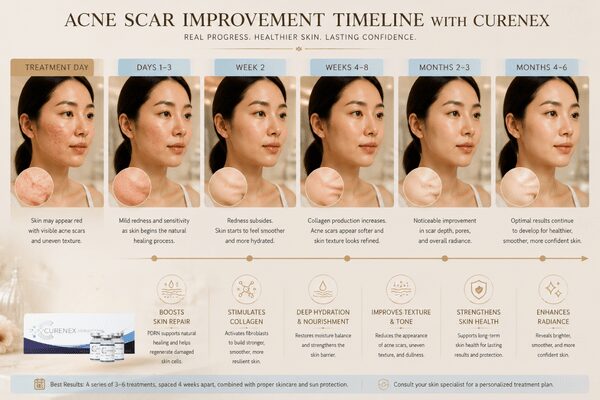
Consistency usually produces better long-term improvements than a single treatment. Looking for real-life proof on the effectiveness of Curenex Glow? Check out the before and after transformation of patients who have received Curenex treatment!
How Many Sessions Are Usually Recommended?
Treatment plans vary depending on scar severity. Many practitioners recommend:
- 3 to 5 initial sessions
- Treatments every 2 to 4 weeks
- Maintenance every 3 to 6 months
Patients with deeper scars often combine Curenex with collagen-inducing procedures for optimal improvement. For an overall view of how often you should use the Curenex skincare line, our article about it best explains the process.
Is Curenex Safe for Acne Scar Treatment?
PDRN has been studied extensively in wound healing and regenerative medicine. When administered by qualified professionals using appropriate sterile techniques, Curenex is generally well tolerated.
Temporary reactions may include:
- Mild redness
- Swelling
- Tenderness
- Small injection bumps
- Minor bruising
These effects usually resolve within several days. Patients should always disclose allergies, medications, skin infections, pregnancy status, or medical conditions before treatment. To better understand on what to expect after Curenex treatments, our guide to Curenex side effects can help you.
Aftercare Tips for Better Results
Proper aftercare helps maximize healing after both Curenex treatments and combination procedures.
Recommended care includes:
- Apply sunscreen daily.
- Avoid excessive sun exposure.
- Keep skin well hydrated.
- Avoid harsh exfoliants for several days.
- Follow your provider’s skincare recommendations.
- Avoid picking healing skin.
- Stay hydrated.
- Eat a balanced diet rich in protein and vitamins.
Healthy healing habits support collagen remodeling throughout the recovery process.
Who Is a Good Candidate?
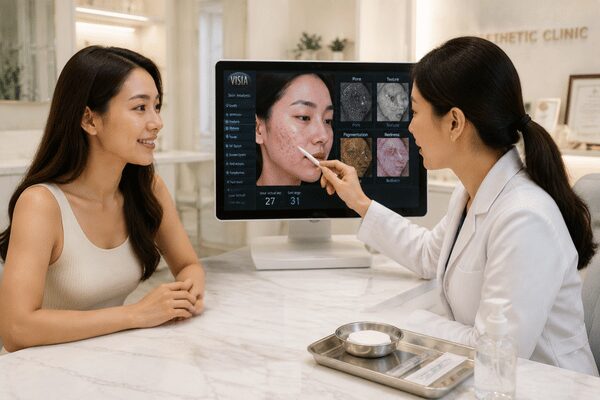
Curenex may be suitable for adults who have the following:
- Mild to moderate acne scars
- Uneven skin texture
- Enlarged pores
- Dull or dehydrated skin
- Early collagen loss
- Skin undergoing recovery after microneedling or laser treatment
Individuals with active acne outbreaks should usually control inflammation before beginning scar-focused treatments.
A consultation with an experienced aesthetic practitioner helps determine whether Curenex alone or combination therapy is the most appropriate option.
Final Thoughts

Acne scars are rarely corrected with a single treatment because they result from structural collagen damage beneath the skin. Successful treatment usually requires stimulating new collagen while supporting healthy tissue repair throughout the healing process.
Curenex provides a regenerative approach by using PDRN to encourage collagen remodeling, improve hydration, reduce inflammation, and support healthier skin recovery. Although it is not a standalone cure for deep acne scars, it can play a valuable role within a comprehensive treatment plan that includes collagen-stimulating procedures such as microneedling or laser resurfacing.
With realistic expectations, multiple treatment sessions, and professional guidance, many patients experience smoother skin texture, healthier-looking skin, and gradual improvement in mild to moderate acne scars over time.
Frequently Asked Questions
Can Curenex completely remove acne scars?
No. Curenex is designed to improve skin quality and support collagen remodeling. While it may soften the appearance of mild acne scars, deeper scars usually require combination treatments such as microneedling, fractional laser resurfacing, or subcision for more significant improvement.
How soon will I see results?
Many patients notice improved hydration and skin radiance within the first few weeks. Changes in scar appearance typically become more visible after multiple sessions as collagen remodeling gradually takes place over several months.
Does the treatment hurt?
Most patients describe the procedure as causing mild discomfort. A topical numbing cream is often applied beforehand to improve comfort, especially when combined with microneedling or laser treatments.
Can Curenex treat active acne?
Curenex is intended primarily for skin regeneration and post-acne repair rather than treating active inflammatory acne. Active breakouts should be managed first before focusing on scar improvement.
Can Curenex be combined with other treatments?
Yes. It is frequently combined with microneedling, fractional laser treatments, radiofrequency microneedling, chemical peels, and other physician-directed skin rejuvenation procedures to support healing and enhance overall skin quality.


