
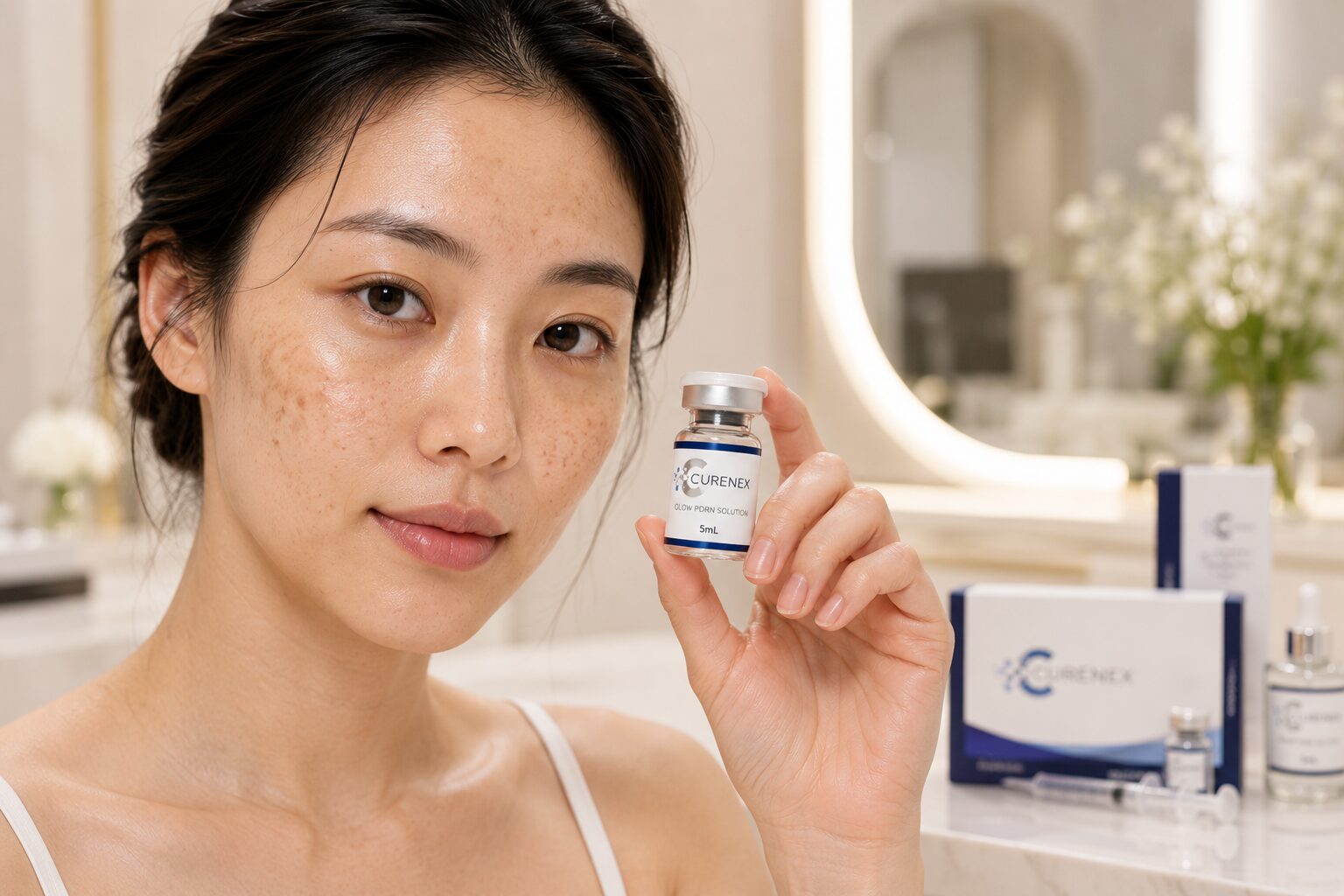
Can Curenex Help Fade Hyperpigmentation and Dark Spots?
Hyperpigmentation is one of the most common skin concerns among people of all skin types. Dark spots left behind by acne, sun damage, hormonal changes, and inflammation often linger long after the original problem has disappeared. While many skincare products promise brighter skin, results are often slow because they focus only on reducing pigment rather than improving the overall health of the skin.
This is where Curenex, a Korean PDRN skin booster, has attracted growing attention. Unlike traditional brightening products, Curenex supports the skin’s natural repair process. Instead of directly bleaching pigmentation, it creates healthier skin conditions that may gradually improve uneven skin tone while strengthening the skin barrier. Learn more about PDRN and its benefits in our comprehensive article.
If you are considering Curenex for pigmentation concerns, understanding how it works can help set realistic expectations. Although it is not a dedicated whitening treatment, it may become an effective part of a comprehensive skin rejuvenation plan.
Understanding Hyperpigmentation
Hyperpigmentation occurs when certain areas of the skin produce excess melanin, the pigment responsible for skin color. Melanin production is a natural protective response, but it can become uneven after inflammation or prolonged UV exposure.
Several types of pigmentation are commonly treated in aesthetic clinics.
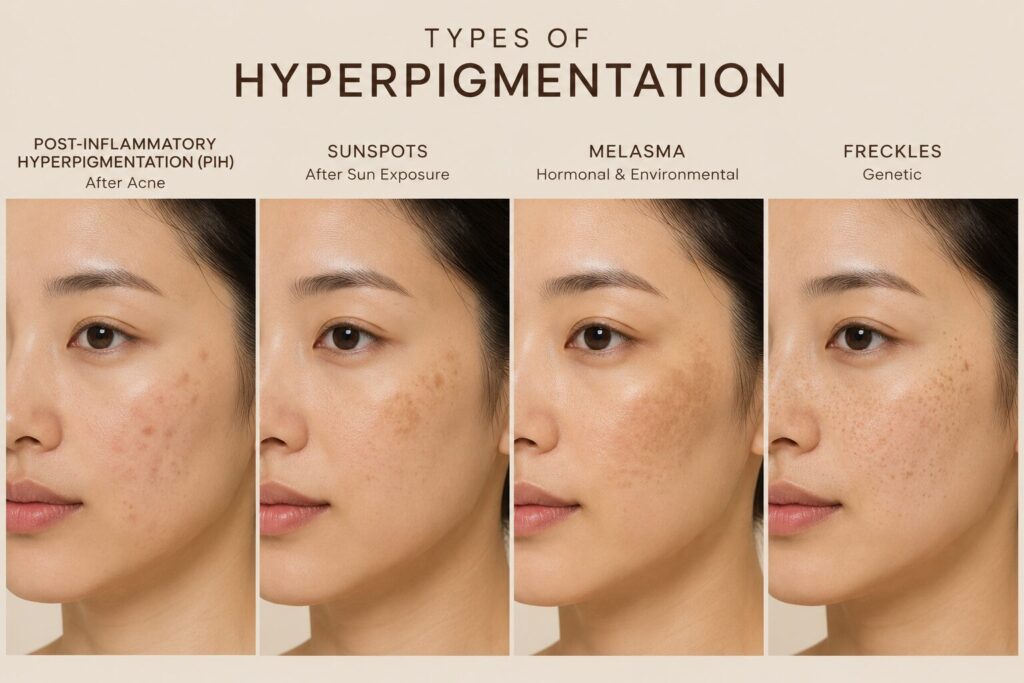
Post-inflammatory hyperpigmentation (PIH) develops after acne, burns, injuries, or cosmetic procedures. Even after the skin heals, dark marks may remain for months.
Sunspots, also called solar lentigines, appear after years of ultraviolet exposure. They are especially common on the face, hands, and neck.
Melasma is often triggered by hormones, pregnancy, birth control pills, or genetics. Unlike simple sunspots, melasma tends to affect larger facial areas and is more difficult to treat.
Freckles are another form of pigmentation that becomes darker with sun exposure but usually has a strong genetic component.
Although these conditions look similar, they develop differently. This is why dermatologists often recommend personalized treatment plans instead of relying on a single product.
Why Dark Spots Can Be Difficult to Treat
Many over-the-counter brightening products target melanin production. Ingredients such as vitamin C, niacinamide, kojic acid, tranexamic acid, and arbutin can help reduce pigmentation over time. However, they may not address the underlying inflammation or skin damage that contributed to the problem.
When the skin barrier remains weak, new inflammation can continue stimulating melanin production. This creates a cycle where old spots fade slowly while new ones continue appearing.
Professional treatments such as chemical peels, laser therapy, microneedling, and medical-grade skin boosters often provide better results because they improve skin renewal in addition to targeting pigment.
This explains why modern aesthetic medicine increasingly focuses on restoring healthier skin rather than simply removing discoloration. Many modern aesthetic treatments focus not only on reducing excess pigment but also on repairing the skin barrier, since healthier skin is less likely to develop persistent post-inflammatory pigmentation.
What Is Curenex?

Curenex is a Korean skin rejuvenation treatment formulated with Polydeoxyribonucleotide (PDRN) together with hydrating and skin-supporting ingredients. It is designed to improve overall skin quality by supporting tissue repair, collagen production, hydration, and skin barrier recovery. You can learn more about the science behind PDRN and why it has become popular in aesthetic medicine.
Rather than functioning as a bleaching agent, Curenex encourages healthier skin regeneration. As damaged skin gradually repairs itself, the complexion often appears smoother, brighter, and more even. Because of these regenerative properties, Curenex is frequently incorporated into comprehensive anti-aging and skin-repair treatment plans.
How PDRN Supports Brighter Skin
PDRN has been widely studied for its regenerative effects in wound healing and tissue repair. In aesthetic medicine, these same mechanisms contribute to healthier-looking skin.
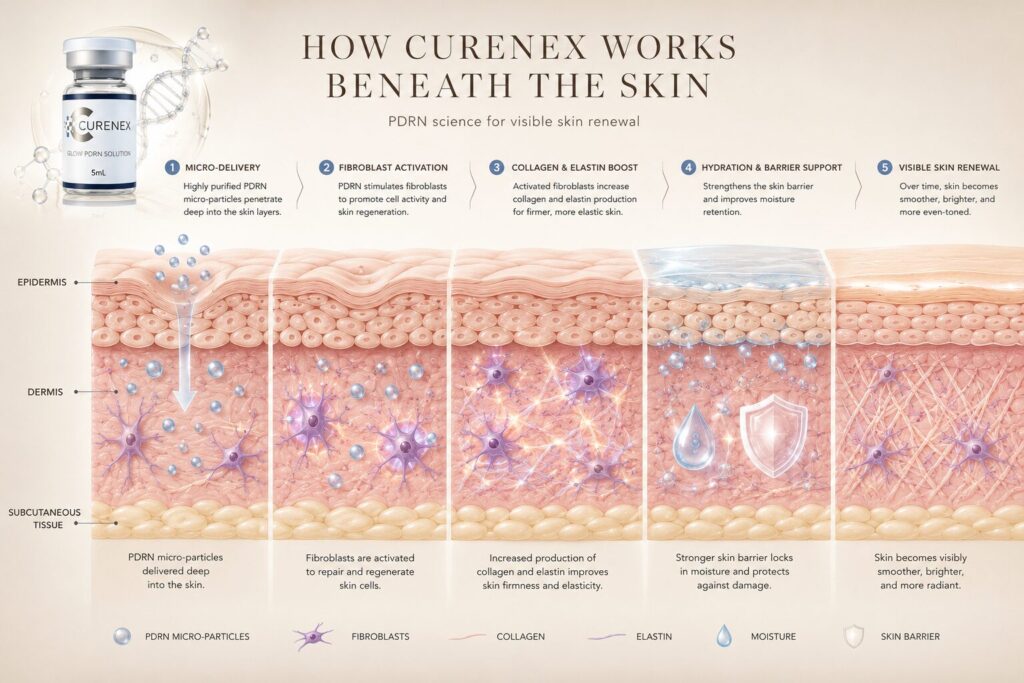
When injected into the skin, PDRN supports fibroblast activity. Fibroblasts produce collagen and extracellular matrix components that help maintain firm, resilient skin.
Healthy collagen remodeling creates smoother skin texture, allowing light to reflect more evenly across the skin surface. As roughness decreases, the complexion naturally appears brighter.
PDRN also supports microcirculation and skin recovery after inflammation. Since inflammation often contributes to post-inflammatory hyperpigmentation, reducing ongoing skin stress may help prevent additional discoloration.
Another important benefit is improved hydration. Well-hydrated skin reflects light more effectively than dehydrated skin, creating a naturally radiant appearance without changing the skin’s natural color.
These combined improvements explain why many patients notice healthier, glowing skin even though PDRN itself is not a pigment-lightening ingredient.
Can Curenex Actually Fade Hyperpigmentation?
The short answer is yes—but indirectly.
Curenex does not chemically remove melanin like hydroquinone or inhibit pigment production in the same way as tranexamic acid. Instead, it supports healthier skin regeneration, allowing damaged tissue to recover more efficiently.
As new skin replaces older damaged cells, superficial pigmentation may gradually become less noticeable. Improved collagen production also helps smooth acne scars that often accompany post-inflammatory hyperpigmentation.
Patients frequently report improvements in:
- Acne marks
- Mild post-inflammatory hyperpigmentation
- Uneven skin tone
- Dull complexion
- Rough skin texture
- Overall skin radiance
However, stubborn melasma and deep sunspots usually require combination treatments for optimal improvement.
If you’d like to see how skin quality can improve over time, take a look at our Curenex Before and After guide, which explains the typical recovery process and expected results following multiple treatment sessions.
Which Types of Pigmentation Respond Best?
Curenex tends to work best for pigmentation associated with damaged or inflamed skin rather than pigment disorders caused primarily by hormones.
Post-Inflammatory Hyperpigmentation
This is one of the most promising indications. Since PIH develops after inflammation, improving tissue repair may accelerate natural fading while reducing the risk of prolonged discoloration.
Acne Marks
Patients with acne scars often have both pigmentation and uneven texture. Curenex may improve both concerns simultaneously through collagen remodeling and skin regeneration.
Mild Sun Damage
Early sun-induced pigmentation may gradually improve as healthier skin replaces damaged cells, especially when combined with diligent sunscreen use.
Dull Complexion
Many individuals seeking brighter skin actually suffer from dehydration and impaired skin barrier function rather than excessive pigmentation. Curenex often produces noticeable improvements in overall skin luminosity by restoring hydration and skin health.
Melasma
Although some patients report modest improvement, melasma typically requires additional treatments such as prescription topical medications, strict sun protection, chemical peels, or laser therapy under medical supervision.
What Results Can You Expect?
Skin regeneration is gradual. Unlike makeup or whitening creams that temporarily brighten the skin, collagen remodeling takes time.
Most treatment plans involve multiple sessions spaced every two to four weeks.
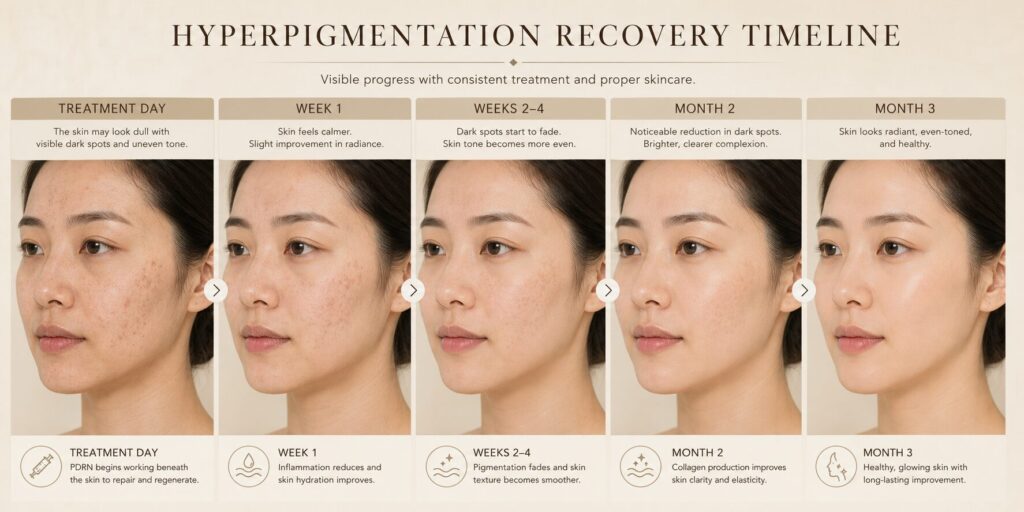
Treatment Day
Small injection bumps and mild redness are common immediately after treatment. These usually resolve within one or two days.
Week 1
Hydration begins improving while the skin often feels softer and healthier.
Weeks 2 – 4
Skin texture becomes smoother. Early improvements in overall brightness may begin appearing.
Months 2 – 3
Pigmentation may continue fading gradually as collagen remodeling progresses. Skin usually appears healthier, more radiant, and more even in tone.
Maintenance
Many clinics recommend maintenance sessions every several months depending on individual skin concerns and treatment goals.
Results vary depending on pigmentation type, lifestyle, genetics, sun exposure, and overall skincare routine. However, patients often begin seeing healthier, brighter-looking skin after several treatments. Our guide on How Long Does Curenex Last? explains how long these improvements typically remain visible, and maintenance treatments may be recommended.
Treatments That Pair Well With Curenex
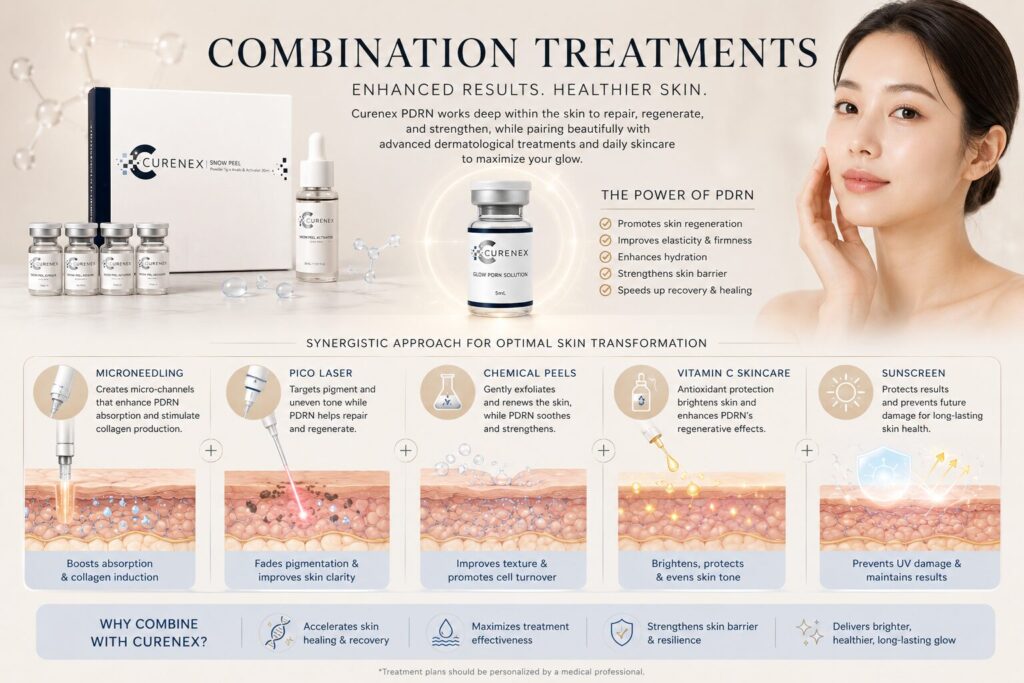
Because pigmentation develops through multiple pathways, combination therapy often produces better outcomes than a single procedure. Many practitioners combine Curenex with microneedling, laser treatments, or chemical peels. If you’re considering collagen-induction therapy, our comparison of Curenex vs. Microneedling explains when these treatments work well together.
Dermatologists frequently combine Curenex with treatments such as the following:
- Microneedling
- Fractional laser resurfacing
- Pico laser treatments
- Chemical peels
- Medical-grade vitamin C
- Niacinamide
- Tranexamic acid
- Sunscreen
- Gentle retinoids (when appropriate)
Curenex may also support recovery following laser treatments by promoting skin repair and improving barrier function, although treatment timing should always be determined by a qualified medical professional.
Daily Habits That Help Prevent New Dark Spots
Professional treatments produce better long-term results when supported by good daily skincare habits.
Consistent sunscreen use remains the single most important step. Even successful pigmentation treatments can quickly lose effectiveness if the skin continues receiving UV damage. Learn why Curenex daily sunscreen is essential for protecting your results and minimizing recurring dark spots.
A healthy skincare routine should include gentle cleansing, adequate moisturization, antioxidants, and daily broad-spectrum SPF.
Avoid picking acne lesions or scratching irritated skin since additional inflammation often leads to new pigmentation.
Maintaining hydration, getting adequate sleep, and following a balanced diet also contribute to healthier skin regeneration over time.
Who Is a Good Candidate for Curenex?

Curenex may be appropriate for individuals who have the following:
- Mild to moderate post-inflammatory hyperpigmentation
- Acne marks
- Uneven skin tone
- Early sun damage
- Dull, dehydrated skin
- Fine lines with pigmentation concerns
- Mild acne scarring
People seeking overall skin rejuvenation rather than aggressive whitening often achieve the highest satisfaction because expectations align more closely with how PDRN works.
A consultation with an experienced medical professional is still essential. Every pigmentation condition is unique, and treatment recommendations should always be individualized.
Is Curenex Safe?
When administered by trained medical professionals using sterile technique, Curenex is generally well tolerated.
Temporary redness, swelling, tenderness, or small injection papules may occur immediately after treatment. These effects usually resolve within several days.
Patients should always disclose allergies, medications, pregnancy status, breastfeeding, active infections, autoimmune conditions, or recent cosmetic procedures before treatment.
Following aftercare instructions carefully helps minimize irritation while supporting optimal skin recovery.
Final Thoughts
Curenex is not designed to bleach pigmentation or instantly erase dark spots. Instead, it works by supporting healthier skin regeneration through the regenerative properties of PDRN. As collagen production improves, inflammation decreases, hydration increases, and the skin barrier becomes stronger, the complexion often appears brighter and more even over time.
For individuals dealing with post-inflammatory hyperpigmentation, acne marks, dull skin, or early sun damage, Curenex may provide meaningful improvements as part of a broader treatment strategy. Those with more complex pigmentation disorders, such as melasma, often benefit most from combining PDRN with dermatologist-recommended therapies tailored to their specific condition.
The best outcomes come from realistic expectations, consistent sun protection, proper skincare, and treatment performed by experienced medical professionals. Rather than focusing solely on removing pigment, Curenex promotes healthier skin that is better equipped to repair itself naturally. Over time, this comprehensive approach can lead to smoother texture, improved radiance, and a more balanced, youthful-looking complexion.
Frequently Asked Questions
Does Curenex whiten the skin?
No. Curenex is not a skin-whitening product. Instead, it improves overall skin health, allowing the complexion to appear brighter and more even.
Can Curenex remove melasma?
It is not considered a primary treatment for melasma. While healthier skin may improve overall appearance, melasma often requires combination therapy.
How many sessions are needed?
Many patients undergo three to five treatment sessions, although recommendations vary depending on individual skin concerns.
Can Curenex be combined with laser treatments?
Yes. Many aesthetic practitioners combine PDRN skin boosters with laser procedures to support healing and improve overall skin quality. Treatment timing should always follow professional guidance.
How long does it take to see improvement?
Many patients notice improved hydration within the first week. Brighter, smoother skin and gradual fading of superficial pigmentation usually become more noticeable over the following weeks and months.


